


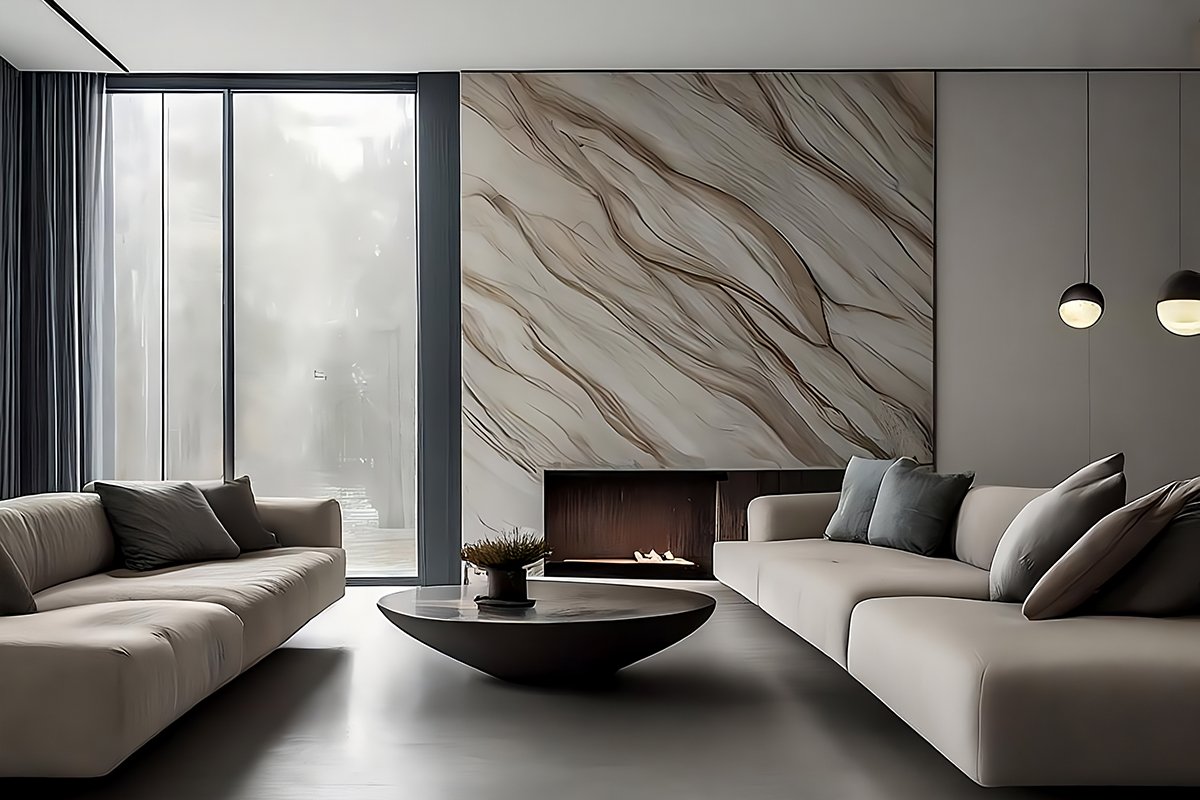
Interior design has always been a profoundly human craft, part art, part psychology. It’s about more than matching colours or maximising square footage. At its core, design is a conversation between people and space, shaped by memory, emotion, and the everyday rituals of life. But increasingly, that intimate conversation is being interrupted, or perhaps replaced, by artificial intelligence (AI).
Today, a room can be generated in seconds by typing a prompt into an AI-powered app. These tools analyse massive troves of design data to churn out polished layouts, colour palettes, and even furniture recommendations tailored to your online behaviour. The results are often stunning. With just a few clicks, you can transform your living room into something that looks straight out of a high-end design magazine.
To many, this sounds like progress. AI democratises a service long reserved for the wealthy. It helps professionals speed up tedious workflows, experiment rapidly, and optimise for things like natural light and acoustics. It gives homeowners unprecedented access to tools that empower them to shape their spaces without the cost of hiring a designer.
But in the quiet revolution underway, we need to ask: What are we giving up in return?
The first casualty may be originality. AI design platforms are trained on the same vast, but ultimately limited, datasets: Pinterest boards, Instagram posts, and popular design blogs. These are images that already reflect mass taste. The more we feed these systems, the more they feed back the same thing: earth tones, open shelving, mid-century lines. The result is a kind of algorithmic déjà vu, a loop of sameness dressed up as inspiration.
When machines dictate what constitutes “good design,” the scope for cultural specificity, personal history, and creative risk narrows. A living room in Dubai might now look strikingly similar to one in Toronto, beautiful, yes, but eerily indistinct.
Then there’s the question of authorship. Many of these AI tools are built on the uncredited labour of thousands of human designers. Their work, scraped from the internet, is used without permission or compensation to train models that now generate commercial design ideas. AI doesn’t invent; it collages. If a layout generated by an algorithm bears an uncanny resemblance to a professional’s portfolio, who owns that idea?
And what about the designers themselves? As AI tools become cheaper, faster, and more capable, some clients may opt to skip human expertise altogether. This isn’t a new story; automation has long reshaped creative industries. But design is not a simple transaction. It’s a process grounded in dialogue, empathy, and trust. What’s at stake isn’t just jobs. It’s the soul of the profession.
Because, for all its processing power, AI still doesn’t understand why certain objects matter to us. It doesn’t know that the grandmother’s chipped coffee table, the one that clashes with every algorithm’s suggestion, is the emotional centrepiece of a home. It doesn’t grasp that a child’s bedroom might need soft lighting and sensory-friendly textures, not because it looks good, but because it feels safe.
For now, that’s something only a human can know.
Interior design is about far more than taste or efficiency. It’s about storytelling. It’s about understanding how people live, how they move through space, how they celebrate, rest, and reconnect. AI may be able to generate a beautiful room, but it cannot generate meaning.
The future of design will inevitably include artificial intelligence. Used wisely, these tools can enhance the creative process, helping designers understand various cultural considerations, visualise ideas, test concepts, and bring high-quality design to diverse clientele. But we must be clear-eyed about what we stand to lose if we treat AI not as a tool, but as a tastemaker.
If we allow machines to define our aesthetic choices, we risk flattening the rich, messy, and deeply human practice of shaping the spaces we call home. Residential design shouldn’t just be efficient or trend-forward. It should be lived in, it should be personal.
The question isn’t whether AI belongs in interior design. It’s whether we’re willing to remember and protect what makes the discipline meaningful in the first place.
Only humans can make a room feel like home.
