



Image: Supplied
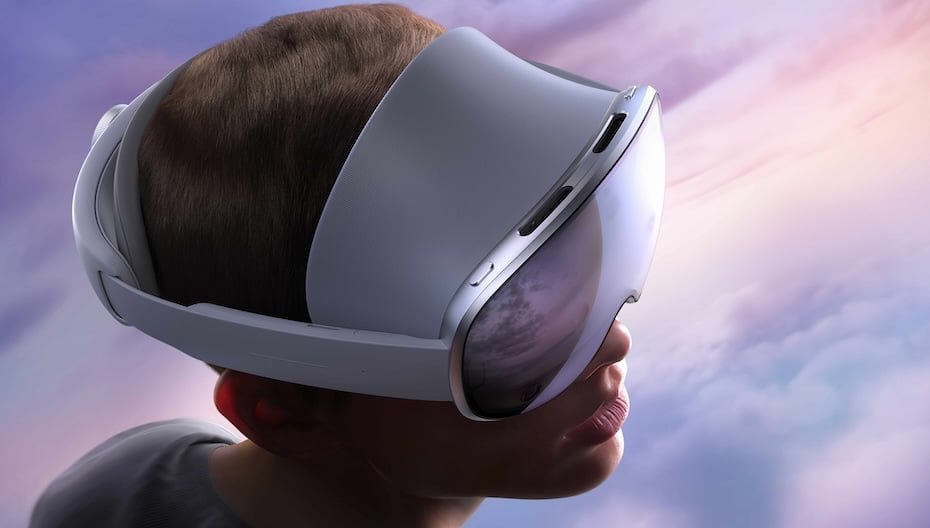
Samsung Electronics on Wednesday launched the Galaxy XR, a new category of AI-native extended reality (XR) devices developed in partnership with Google and Qualcomm Technologies.
The headset is the first product built on the Android XR platform, designed to integrate multimodal AI and deliver immersive experiences across discovery, play, and work.
“With Galaxy XR, Samsung is introducing a brand-new ecosystem of mobile devices,” said Won-Joon Choi, COO of Samsung’s Mobile eXperience Business. “Built on Android XR, Galaxy XR expands the vision for mobile AI into a new frontier of immersive and meaningful possibilities, allowing XR to move from concept to everyday reality, for both the industry and users.”
The Android XR platform, jointly developed by Samsung, Google, and Qualcomm, serves as the foundation for Samsung’s long-term XR roadmap, which includes future AI glasses.
“Android XR is the first Android platform built entirely for the Gemini era,” said Sameer Samat, president of Android Ecosystem at Google. “Through our partnership with Samsung, Android XR will unlock entirely new ways to explore, connect and create, building an open, unified platform for the next evolution of computing.”
Alex Katouzian, group GM of Mobile, Compute & XR at Qualcomm Technologies, added, “Galaxy XR embodies our vision for the future, where the synergy of AI and XR transforms the possibilities of personal computing.”
Multimodal AI Integration in Galaxy XR headset
The Galaxy XR headset features Gemini AI embedded at the system level, allowing natural interaction through voice, vision, and gesture.
The device can interpret users’ surroundings via integrated sensors and cameras, responding conversationally in real-time.
Powered by the Snapdragon XR2+ Gen 2 platform with the Qualcomm Hexagon NPU, Galaxy XR offers up to 2.5 hours of battery life and ultra-high-resolution 4K Micro-OLED displays.
It supports iris recognition for security and features six microphones with beamforming, multiple cameras, and advanced tracking sensors for head, hand, and eye movement.
Samsung focuses on human-centric design and performance
The headset’s ergonomic frame distributes weight evenly, minimising facial pressure. Its separate battery pack reduces bulk, while a detachable light shield enables adjustable immersion. Galaxy XR weighs 545gm, excluding accessories, and supports vision correction through optional optical inserts.
Users can engage in immersive experiences including Google Maps, YouTube, and Google Photos, as well as XR-specialised applications. Through “Circle to Search”, users can draw a circle in midair to identify objects or access information.
The device also enables 3D video and photo capture, auto-spatialises 2D content into 3D, and supports real-time coaching via Gemini for gaming.
Adobe’s Project Pulsar app lets users create cinematic edits with depth and 3D layering.
Samsung is expanding XR into enterprise applications through partnerships with Samsung Heavy Industries and Qualcomm Technologies.
The Galaxy XR will be used for virtual shipbuilding training, productivity, and safety. Developers using Snapdragon Spaces can adapt business solutions for Android XR.
As part of its broader XR strategy, Samsung is working with Google and eyewear brands including Warby Parker and Gentle Monster to develop AI-powered smart glasses that merge design with technology.
For starters, Galaxy XR will be available from Oct0ber 21 in the US and October 22 in Korea.
