



Image: Supplied
As Saudi Arabia advances its Vision 2030 healthcare agenda, tackling noncommunicable and rare diseases remains a top priority.
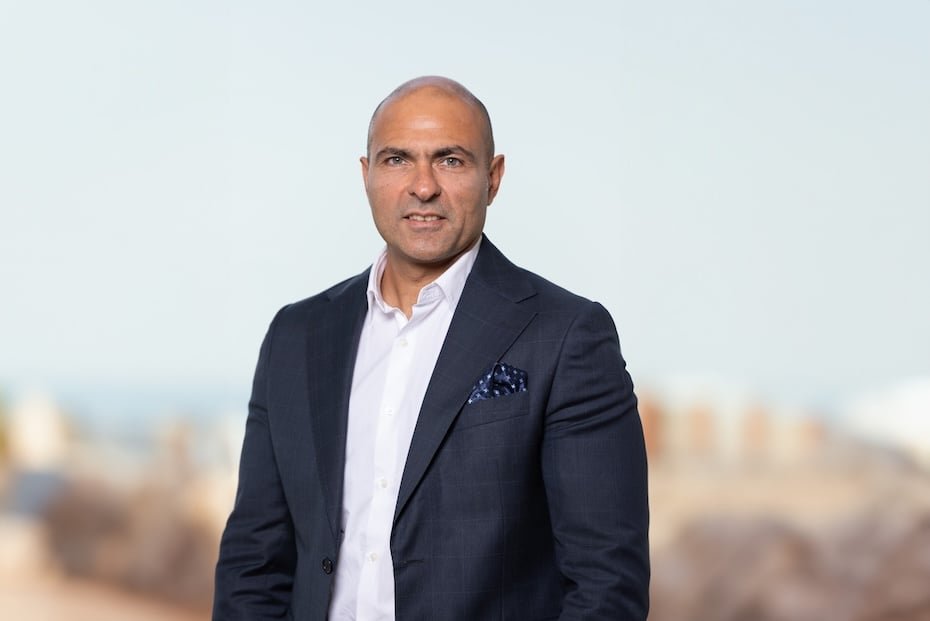
In an exclusive interview with Gulf Business at the Global Health Exhibition, Hatem Werdany, country president of AstraZeneca Saudi Arabia, outlines how the company is driving early detection, expanding patient access, and forging strategic partnerships with the Ministry of Health, King Faisal Specialist Hospital & Research Centre, and Weqaya to support a more sustainable, innovative, and patient-centric healthcare ecosystem across the kingdom.
What are the biggest health challenges facing Saudi Arabia and the region?
One of the most pressing health challenges in Saudi Arabia and across the wider region is the rise of noncommunicable diseases (NCDs), particularly cardiovascular disease, cancer, lung disease, and diabetes.
AstraZeneca is proud to be at the forefront of tackling NCDs, with a strong focus on screening and early detection, enabling diseases to be identified at an earlier stage when they are often easier to treat. For example, lung cancer remains a significant challenge across the region, and evidence shows that screening at-risk populations could prevent nearly a quarter of deaths from the disease.
Similarly, an estimated 1.75 million people in Saudi Arabia, along with millions more in the region, are living with chronic kidney disease, which, if left untreated, can require dialysis or kidney transplantation.
Early detection and treatment not only improve patient outcomes but also reduce pressure on health systems, making them more sustainable and resilient over the long term. Rare diseases are another critical area that is often overlooked. Limited awareness, delayed diagnoses, and access challenges for patients with rare conditions require focused attention. AstraZeneca is working with partners across the region to establish specialised care pathways, including collaboration with the Ministry of Health to create the first Saudi Rare Disease Centre of Excellence, as well as a partnership formalised this week.
Above all, addressing these challenges requires collaborative efforts between pharmaceutical companies, healthcare providers, government agencies, and international organisations to create sustainable and innovative healthcare solutions.
What are AstraZeneca’s priorities in Saudi Arabia?
AstraZeneca’s priorities in Saudi Arabia closely align with the kingdom’s Vision 2030 healthcare transformation goals. Key areas of focus include advancing therapeutic excellence in oncology, cardiovascular diseases, respiratory conditions, and rare diseases, which collectively represent significant disease burdens in the kingdom.
The company is also committed to clinical research and innovation, supporting clinical trials and research initiatives that contribute to medical evidence and bring cutting-edge treatments to Saudi patients. Strengthening local manufacturing is another priority, with partnerships that establish domestic production capabilities for essential medicines, create high-skilled career opportunities, and reduce dependency on imports.
AstraZeneca is investing in healthcare capacity building by providing training programmes for healthcare professionals and collaborating with local institutions to develop sustainable healthcare infrastructure.
Finally, improving patient access to innovative medicines remains central to its mission, achieved through partnerships with the Ministry of Health and other healthcare authorities.
How is AstraZeneca involved in this year’s Global Health Exhibition?
The Global Health Exhibition provides an invaluable opportunity to engage with the global healthcare community, and AstraZeneca is a proud partner of the event. This year, the company has announced three strategic partnerships that reflect its commitment to advancing healthcare innovation and supporting Saudi Arabia’s Vision 2030 goals.
The first, with the Saudi Ministry of Health, focuses on transforming rare disease diagnostics by enhancing patient access to advanced diagnostic services, localising expertise through education and training, and leveraging AI technologies to improve early diagnosis and patient outcomes, creating a seamless and integrated diagnostic ecosystem. The second partnership, with King Faisal Specialist Hospital & Research Centre, aims to advance clinical research, co-develop value-based healthcare solutions, and enhance diagnostic capabilities across key therapeutic areas, while fostering scientific leadership through joint educational initiatives. The third, with the Public Health Authority (Weqaya), addresses the rising burden of noncommunicable diseases through nationwide awareness campaigns, AI-driven early detection programmes, and healthcare provider education initiatives, supporting prevention-focused public health strategies aligned with Vision 2030.
Together, these partnerships demonstrate the power of public-private collaboration in driving meaningful healthcare transformation and improving patient outcomes across the kingdom.
Read: AstraZeneca’s Iskra Reic on advancing health equity, tackling NCDs across MEA
