


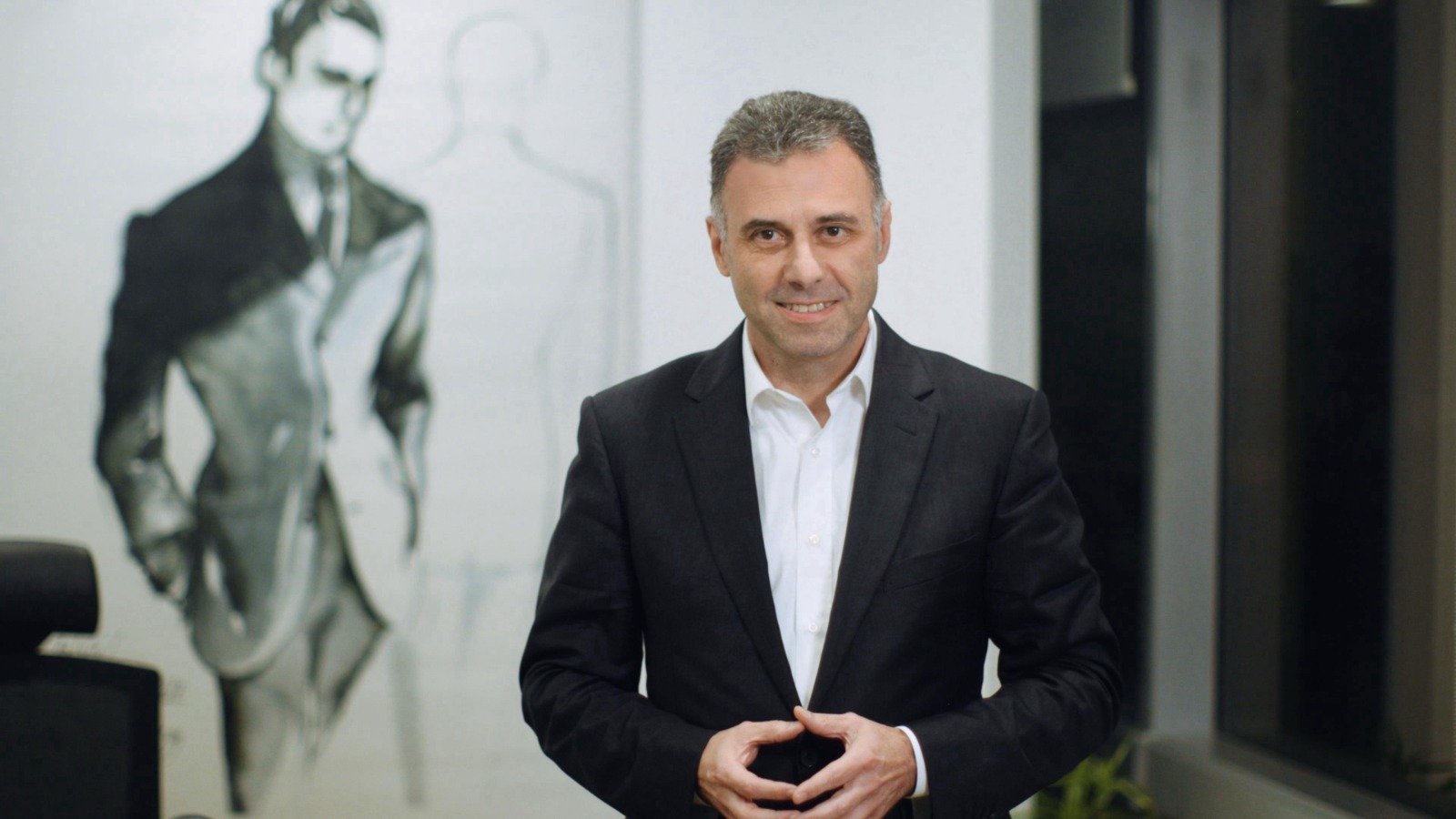

Image: Supplied
The integration of digital and e-commerce strategies in luxury retail is no longer a choice; it’s imperative for driving growth and ensuring long-term profitability in an ever-evolving industry and increasingly competitive market. At the same time, luxury brands must also navigate financial challenges such as rising interest rates and evolving consumer expectations. Strategic financial planning is no longer a back-office function but a central part to the success of retail strategies.
One could argue that four years ago, e-commerce in the luxury sector was somewhat an afterthought and seen as a complementary sales channel for those unwilling or unable to visit physical stores. Today, e-commerce is a key aspect of any retail strategy that helps drive growth, innovation, and influences nearly every aspect of the consumer journey.
Covid-19 changed everything. According to an Adobe report, the pandemic massively accelerated the growth of e-commerce up to 77 per cent year-over-year, reaching levels that experts had predicted would take four to six years to achieve. Along with the rapid adoption of digital solutions, financial innovations such as “Buy now, pay later” facilities have been a gamechanger in supporting this growth and cater particularly well to the high-value purchases associated with luxury.
Platforms like Tabby and Tamara have offered consumers the opportunity to manage their spending more flexibly, a feature now widely available both online and across most luxury stores in the country.
E-commerce platforms in the Middle East have not only thrived but introduced services that set them apart globally such as two-hour delivery services, understanding the need for immediacy in the GCC market. With that said, digital transformation alone is not enough.
Brands must complement these innovations with strategic financial management to guarantee profitability. Navigating economic fluctuations as well as managing investments with shorter payback periods have also become critical in terms of sustaining growth, especially during uncertain times.
The rapid rise of e-commerce and digital platforms has fundamentally transformed the luxury retail landscape, with shifts in consumer behaviour as digital channels increasingly become the preferred touchpoints for both discovery and purchase.
According to McKinsey & Company, by 2025 nearly a fifth of luxury sales will be online, a statistic that highlights the urgency for luxury brands to fully embrace digital channels.
In the Middle East, the role of home-grown digital platforms has been instrumental and should not be understated. Regional online shopping channels highlight our region’s e-commerce evolution, not only catering to local consumer preferences but playing a key role in supporting luxury brands based in the region through providing access to broader audiences, democratising access to a traditionally exclusive market.
Etoile La Boutique has also embraced this transformation with the recent launch of its dedicated mobile app, which was designed to offer our clients an elevated online shopping experience through personalised recommendations to bridge the gap between digital convenience and our physical stores’ luxury experience.
A successful e-commerce strategy in the luxury retail sector
Building a successful e-commerce strategy in the luxury sector is key and requires an extensive understanding of the diverse and distinct expectations of high-net-worth consumers. As these customers increasingly shop online, they expect digital experiences that align with the exclusivity and attention to detail that they associate with in-store luxury.
Such expectations have helped spur innovations like virtual reality showrooms and AI-driven features that allow brands to maintain their personal touch in the digital world.
While the potential in this area is immense, there also exist some challenges. Luxury e-commerce must find the right balance between technology and human connection to make sure that digital touchpoints are enhancing, as opposed to replacing, the unmatched joys of in-person shopping.
Investing in digital infrastructure is also critical to succeeding in this space, especially when it comes to the enhancement of the omnichannel experience. The deployment of advanced order management systems (OMS) is essential to integrating physical and digital channels. These systems allow for real-time inventory management and elevate the customer experience by providing a consistent, personalised service, whether online or in-store.
This integration is particularly vital in markets like the GCC, where consumer demand for a cohesive omnichannel experience is on the rise.
Navigating economic challenges and market fluctuations is another key aspect. The luxury retail industry is no stranger to economic uncertainties, and the recent rise in interest rates has highlighted the need for strategic financial management. Brands must prioritise high-ROI investments with quicker payback periods, ensuring that each financial decision contributes to its bottom line. Innovative financing tools like Buy Now Pay Later also play a vital role in empowering clients and businesses, ultimately reducing barriers to purchase while preserving cash flow.
Diversification of market presence also plays a vital role in mitigating risks. Expanding into emerging markets, particularly in our region, offers opportunities for growth in areas with high potential. I believe this regional focus, paired with investments in digital and e-commerce channels, can position luxury brands to effectively navigate market fluctuations and capitalise on emerging opportunities while strengthening our ability to remain resilient and agile in an ever-changing market.
Looking ahead, the future of luxury retail will undoubtedly be shaped by those who invest in digital transformation and align their strategies with evolving consumer expectations, without losing sight of the human touch.
The integration of advanced technologies will continue to define the modern luxury landscape, but we must remember to preserve human connection and ensure that digital advancements are enhancing – rather than overshadowing – the meaningful and emotional connections that make luxury timeless.
The writer is CEO at Etoile Group.
Read: Etoile Group’s Ingie Chalhoub on navigating the future of luxury fashion
