


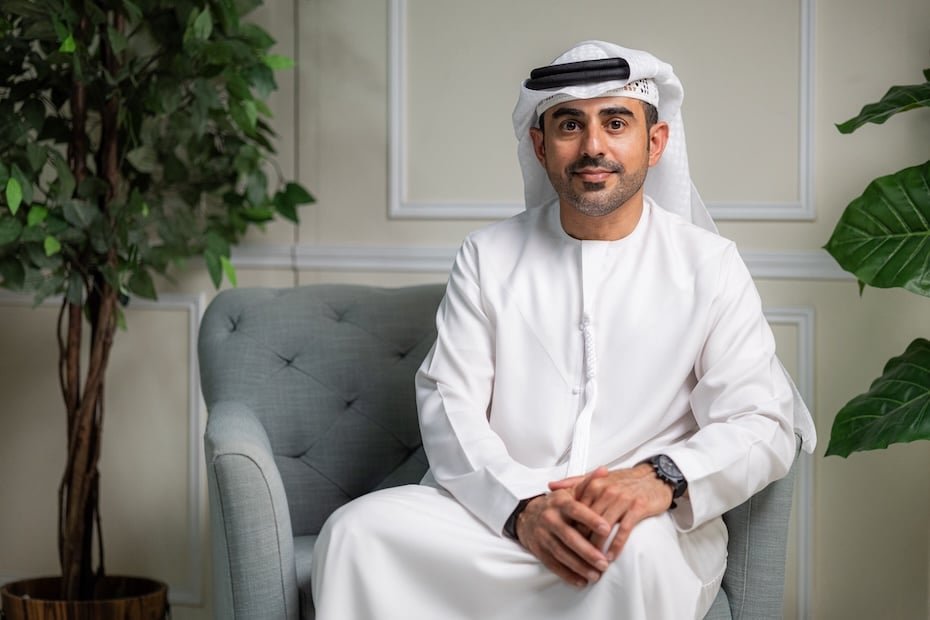

Image: Supplied
Dubai’s co-working scene is crowded, but AXD Space stands out as something different—part workspace, part incubator, and part launchpad for founders who want more than a desk and Wi-Fi. The venture brings together mentorship, licensing-ready offices, and a curated network designed to help startups scale faster and smarter. Here, Ayman Al Awadhi, co-founder of AXD Space and executive director of Global Chamber UAE, shares how his venture is rethinking the role of workspaces in Dubai’s innovation economy and why the future belongs to ecosystems, not just offices.
Dubai already has plenty of co-working spaces. Where does AXD Space fit and what gap are you trying to close?
Most shared workspaces optimise for real estate purpose such as renting offices and meeting rooms. At AXD Space, we optimise outcomes for entrepreneurs and corporates by creating an ecosystem that fosters development and innovation for startups and businesses in the region. That’s why our workspace comes with incubation readiness, structured mentorship, curated network of members, providing fundamental educational sessions for entrepreneurship, plus compliance-ready offices and coworking desks that make it easier to license and operate in Dubai.
You also serve as ED of Global Chamber UAE. From that vantage point, what do foreign founders most often get wrong about entering the UAE?
First and foremost, jurisdiction strategy choosing between free zone and mainland for launching your business. Despite of competing legal systems to choose from, sometimes it can be overwhelming to understand what fits your business strategy for your target customer base and how to take advantage from a tax system that favours personal wealth and business growth.
Second, market entry approach, understanding dynamics of local regulation and compliance, building relationships with key stakeholders associated to your business and making your product relevant to the region are some of important elements need to be considered.
Last, being guided through industry experts, mentors or even vetted suppliers and solution providers are essential steps to achieve success and reduce speed bumps throughout your business or entrepreneurship journey.
The UAE’s policy agenda (Dubai 2040, the Quality of Life Strategy, Al Quoz Creative Zone) is very pro-entrepreneur. What should the private sector be doing to complement that?
The government sets the enablers: infrastructure, regulation, residency, and IP protection. The private sector needs to provide the execution layer: places to test products, avenues for meeting prospect customers, and easier access capital. We aim to close that last mile by curating collisions between founders, corporates, and investors; by running investor-readiness programs; and by offering Ejari-enabled, licensing-ready offices so companies can formalise quickly. If policy is the highway, private operators should push moving objects to reach to their final destinations.
Read: What is the future of work?
Beyond real estate, you’re known for working with startups across sectors and geographies. What support actually moves the needle for founders?
Beyond attracting foreign investments into the UAE, one of my main priorities has been helping founders navigate the early stages of growth in a structured, sustainable way. Mentorship is useful, but structured pathways move the needle. Four things work consistently:
- Go-to-market design – getting founders in front of real customers early, even through pop-up pilots.
- Investor readiness – establishing tight data rooms, governance basics, and credible milestones.
- Corporate access – facilitating warm introductions for proof-of-concepts; if a startup lands even one enterprise client, everything changes.
- Wellbeing and resilience – burnout kills more ventures than competition.
Ultimately, success comes from bringing all these elements together – creating an ecosystem where founders can accelerate their journey and scale with confidence. That’s what we strive to make happen every day.
Looking ahead to 2025–2027, what trends will shape Dubai’s innovation economy, and how should entrepreneurs and investors respond?
We’ll see sector convergence – AI woven into logistics, health, finance, and creative industries; hybrid work anchored in community rather than isolated offices; growing demand for compliance-ready flexibility as teams scale; and more founder-friendly capital tied to real traction.
The UAE’s appeal extends beyond its favorable tax system for corporates and startups. What sets Dubai/UAE apart is entrepreneurial spirit and openness to partnerships, particularly in the digital space.
