


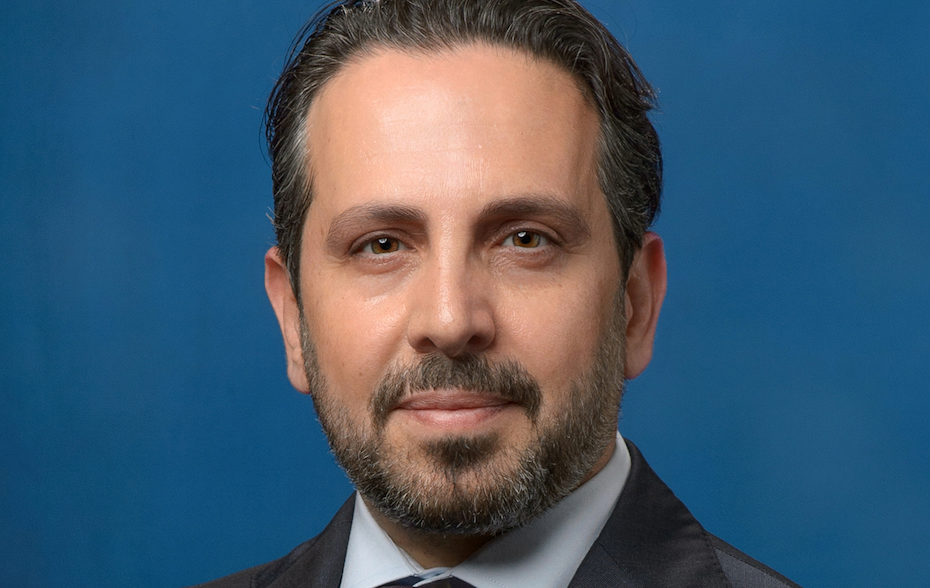

Image: Supplied
The UAE’s healthcare landscape is evolving, with preventive and long-term wellness taking centre stage. Women in the region are increasingly proactive about their health, yet gaps remain in awareness, access, and culturally sensitive resources, particularly around midlife and menopause.
In an interview with Gulf Business, Mazen Bachir, DSVP for Abbott’s medicines business in the Middle East, Africa, and Pakistan, discusses how Abbott is leveraging innovation, digital health, and local insights to empower women and drive the next chapter in preventive healthcare.
The UAE’s pharmaceutical market is one of the fastest-growing in the region. What unique opportunities and challenges do you see here, especially in preventive and long-term health segments like women’s wellness?
Over the past few years, we’ve seen a powerful shift from treatment to prevention. Women in the UAE are becoming increasingly proactive about their long-term health – from nutrition and physical activity to mental well-being and accessing medical treatment options.
Digital health has played a major role in accelerating this transformation. The use of telehealth in the Middle East has surged – for instance, data shows that 45 per cent of UAE residents have downloaded at least a health-related app. For many women, digital tools are no longer a convenience — they are a lifeline. The rise of telehealth platforms is giving women easier access to expert guidance in ways that respect privacy and cultural norms, which is especially important for sensitive topics.
However, opportunities remain to strengthen access to credible, localsed and medically verified information and resources. In the UAE, the word “menopause” is searched about 3,600 times a month, yet most of those searches are purely informational. In one UAE study, only 18 per cent of women reported good knowledge of menopause.
That’s why initiatives like Nawat Health — the winner of Abbott’s Innovate4Health Challenge, organised in collaboration with venture capital company Plug and Play Abu Dhabi, are so impactful. The platform offers culturally sensitive digital resources in Arabic and English, tailored to the unique needs of women in the region, empowering them to navigate all life stages with confidence and dignity.
Across the UAE, there is renewed focus on women’s health strategies and workplace support policies.Yet persistent misconceptions can discourage many women from seeking medical advice, especially for menopause-related symptoms. Studies show that a large percentage of women prefer to ‘live with and self-manage’ menopause symptoms, simply because they don’t know that support exists.
To pave the way for more women to feel they can talk about menopause with friends, family, and their doctor, there needs to be more access, more awareness-building, and more empathy, delivered through trusted channels and science-backed tools. The UAE is well-positioned to lead this next chapter in women’s health, and we’re working to support and accelerate this drive.
Globally, we’re seeing a shift from reactive treatment to proactive health management. How is this influencing product innovation in areas like supplementation, hormone health, and digital health tools in the UAE?
The global move from reactive treatment to proactive health management is not just a trend, it’s a fundamental redefinition of healthcare, and the UAE is no exception. People in the UAE are no longer waiting for illness to strike; more individuals are actively seeking tools, treatments and guidance to protect their long-term health.
We seek to be at the forefront of this important shift by developing integrated solutions for proactive health management that combine science, innovation, and access — from evidence-based nutritional support to digital tools that connect people to reliable information and expert care and help them achieve their health goals. Through partnerships with startups like the one with Nawat Health, we aim to equip women with the science-backed information they need, in Arabic, tailored to local insights. It’s about helping individuals make informed choices and feel confident at every stage of life.
From weight management drugs to personalised nutrition to longevity supplements, health trends are moving fast. Which innovations are you watching closely?
The growing movement toward people taking charge of their health is one of the most transformative trends within healthcare – where people aren’t just managing illness but actively shaping their own well-being. Across the Middle East, digital health platforms and apps are driving this transformation by making credible information and expert guidance more accessible than ever before.
For women, especially during midlife, these tools can be life-changing. When delivered in local languages and cultural contexts, they can empower women to make more informed decisions, adopt healthier lifestyles, and improve overall wellbeing.
Access to credible health information empowers women to better understand their bodies, seek the support they need, and confidently navigate the changes that come with age.
We’re also seeing a powerful convergence of medicine, technology, and nutrition, enabling more integrated and personalised care, especially in the cardiometabolic space, where conditions like obesity, diabetes, and cardiovascular disease are deeply interconnected and often lifestyle-driven. For people living with long-term conditions, an integrated approach to care means continuous, adaptive, and empowering support for sustained health and prevention.
Women’s health deserves particular attention – especially around menopause. This stage of life is not only about managing symptoms, but also about supporting long-term wellbeing through the right combination of medicines, nutrition, and lifestyle solutions.
Read: Why the longevity obsession misses the point
As more women in the UAE join and stay longer in the workforce, menopause is fast becoming a workplace and economic issue, not just a medical one. How can private sector players help bridge this gap?
As more women in the UAE build long-term careers, menopause is shifting from a private health matter into a workplace and economic reality. In 2024, women represented 34.6 per cent of the UAE workforce (up from 32.5 per cent in 2023), showing their growing contribution across sectors.
Yet, when women enter the menopause transition, typically in their late 40s or early 50s, the symptoms often disrupt performance, confidence, and career momentum. Many senior women reduce hours, pass up promotions, or even leave employment altogether. Left unaddressed, this becomes a talent-retention challenge and a barrier to both personal and organizational growth.
Workplaces can play a vital role by normalising conversations around menopause, just as they do for maternity or other health subjects. Offering education, flexible working hours and work-from-home options, and peer networks can help women feel valued and supported, while also enhancing overall retention and productivity.
We launched an internal initiative in the UAE to support our female employees during this transition, offering forums, tools and peer-to-peer education. Women’s and well-being are fundamental to our culture, our workforce and our long-term success.
Mid-career women carry institutional knowledge, client relationships, leadership potential and deep expertise. When companies invest in supportive health and workplace practices, everyone benefits — individuals, organisations, and society as a whole.
Which health trends do you believe will reshape consumer behaviour in the UAE and how is Abbott preparing to meet that shift?
We see a clear transition as people increasingly want to understand their own health data, make informed nutrition and lifestyle choices, and access care that is holistic, convenient, and culturally sensitive.
One of the most significant trends we anticipate is a heightened focus on women’s health, particularly during midlife and menopause. In the UAE, nearly one million women are between 40 and 64 years old.
The growing number of mid-life and mid-career women means that now is an important moment to transform the narrative around mid-life health. By providing women with knowledge, access to care, and integrated solutions, we aim to help them understand and manage this transition effectively. Our approach combines digital health tools, evidence-based information, and expanding access to care, ensuring that women can maintain their health, energy, and confidence as they navigate this life stage.
Our purpose has always been to help people live their fullest lives through better health. And as more women in UAE enter their mid-life prime, that means supporting women and families to embrace every stage of life with strength, confidence, and hope.
