


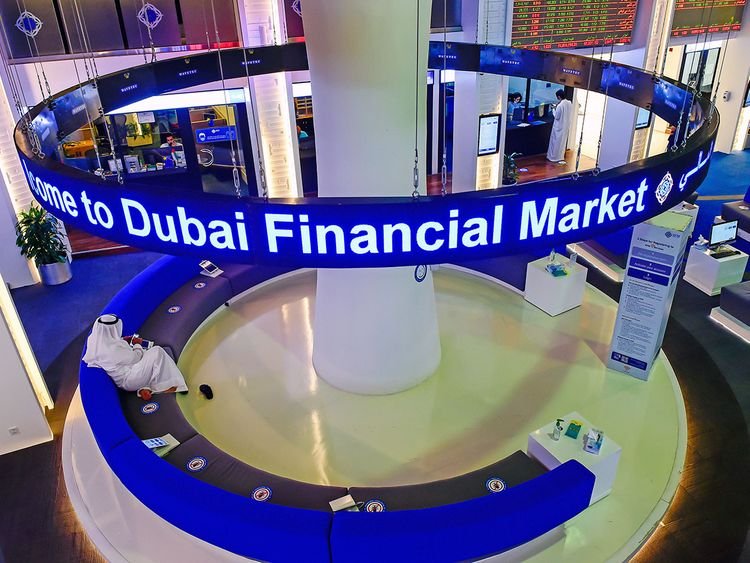
Dubai Financial Market (DFM) said on Thursday its net profit before tax for the first nine months of 2025 rose 212 per cent to Dhs930.8m ($254m) from Dhs298.7m a year earlier, driven by higher trading volumes and a surge in listings activity.
Consolidated revenue climbed 138 per cent year-on-year to Dhs1.1bn, supported by robust trading income, investment returns, and the sale of an investment property worth Dhs467.2m.
Operating income contributed Dhs409.7m, while total expenses remained largely stable at Dhs162.6m.
DFM’s general index gained 13.2 per cent during the period to close at 5,839.64 points, reflecting continued investor confidence. Market capitalisation reached Dhs995bn, up 9.7 per cent from the end of 2024.
“The sustained growth in trading activity and market capitalisation highlights the continued success of DFM’s strategy to deepen liquidity, attract global participation, and enhance market accessibility,” said chairman Helal Saeed Al Marri. He added that DFM remains aligned with Dubai’s Economic Agenda (D33) to strengthen the city’s position as a global financial hub.
Read: Dubai Financial Sector Strategy gets nod, here’s what it entails
DFM performance highlights
Average daily traded value reached Dhs709m, an 83 per cent increase from Dhs387m in the same period last year, while total traded value rose 82 per cent to Dhs133bn. The average number of daily trades climbed 48 per cent to 13,600.
DFM said it added 82,742 new investors during the nine months, 84 per cent of whom were foreign, bringing its total investor base to over 1.2 million. Foreign investors accounted for 51 per cent of total trading value and held 20 per cent of total market capitalisation. Institutional investors represented 70 per cent of trading activity.
Key market developments during the period included du’s secondary share sale, the UAE’s first fully marketed secondary public offering, and the IPO of ALEC Holding in September, which further diversified listings on the exchange.
Financials made up 42 per cents of DFM’s total market value, followed by real estate (19 per cent), utilities (16 per cent), and industrials (12 per cent), with communications services accounting for 4 per cent.
“DFM’s robust performance reflects steady progress in executing our strategic priorities, deepening market liquidity, broadening participation, and enhancing access for both local and international investors,” said Hamed Ali, CEO of DFM and Nasdaq Dubai.
He said the exchange would continue to focus on digital transformation, new products, and innovation to support long-term growth and strengthen Dubai’s standing as a leading regional capital market.
