


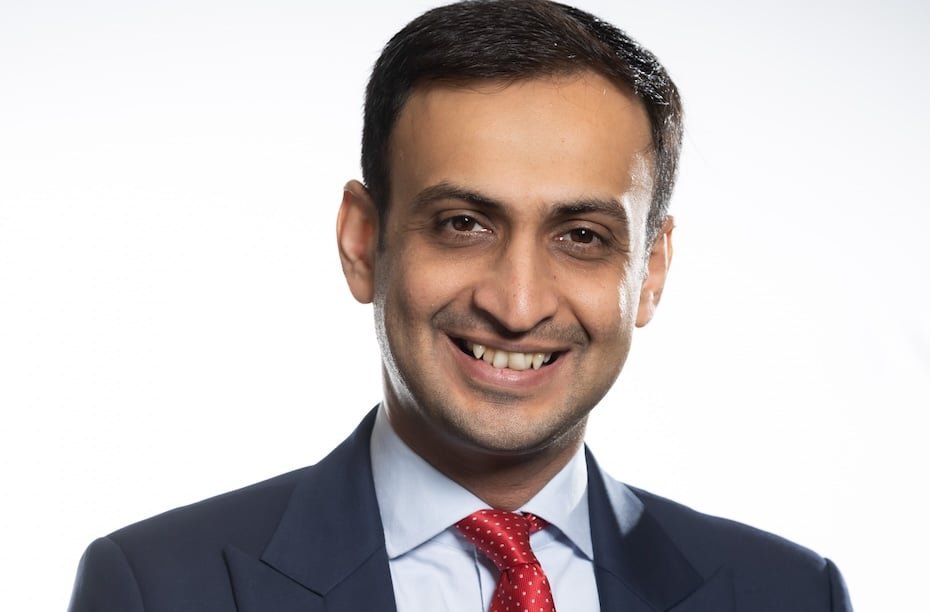

Image: Supplied
Digital readiness means having information that is trusted, visible, and actionable, so that when volatility hits, market participants can respond with speed and confidence. In the GCC today, that readiness is becoming the checkpoint for investor trust.
Consider Saudi Arabia. In the second quarter of 2025, foreign investors outside the GCC accounted for a record 35 per cent of equity buying in Saudi markets, according to Bloomberg Intelligence. That reflected more than valuations alone. It suggested that reforms and greater market transparency are beginning to pay off.
Capital is also flowing into younger firms. According to regional venture platform MAGNiTT, startups across the Middle East raised about $1.35bn in venture funding in the first half of 2025, nearly double the level of the previous year, even as global venture investment slowed. Analysts point to factors such as government support and larger deals, but the resilience also reflects — in my view — a sharper focus on credibility, clarity of strategy, and risk discipline.
What digital readiness is about
These flows highlight what digital readiness delivers. It is not about installing new systems or chasing efficiency. It is about giving decision-makers the ability to see exposures in real time, test how shocks would affect them, and communicate that analysis to investors before confidence erodes. Markets reward visibility. When companies can show how they are positioned for a sudden rate hike or an oil price swing, investors stay invested. When that clarity is missing, volatility is punished with higher capital costs.
The Gulf’s market infrastructure is moving in the right direction. Saudi Arabia is making it easier for foreign investors to participate directly and is allowing depositary receipts to broaden access.
The UAE continues to advance the Digital Dirham project and the mBridge initiative, signalling its intent to make settlement faster, more secure, and better aligned with the needs of global markets. Regulators in Abu Dhabi and Dubai are tightening disclosure standards and raising the bar for compliance. Each of these reforms signals that information will be more timely, more consistent, and more reliable.
Companies preparing for IPOs have started to adapt to this reality. Boards are running scenario exercises before going to market. Reporting practices are aligning with international norms. Disclosures are more detailed and more frequent. These steps are not about box-ticking. They show investors that management teams understand volatility and are prepared to manage it.
From my own experience, organisations that embed information into governance rather than treating it as an afterthought endure shocks better and maintain credibility with stakeholders.
The GCC now has the opportunity to set the benchmark for how emerging markets translate ambition into investor confidence.
Resilience in 2025 is not about predicting the next crisis. It is about proving that you can withstand it, with data that investors can trust, insights that are timely, and decisions that are visible. For the Gulf, digital readiness is no longer an aspiration. It is the foundation for sustaining capital flows and building markets that global investors believe in.
The writer is the head of business for the Middle East & Africa, Bloomberg LP.
