


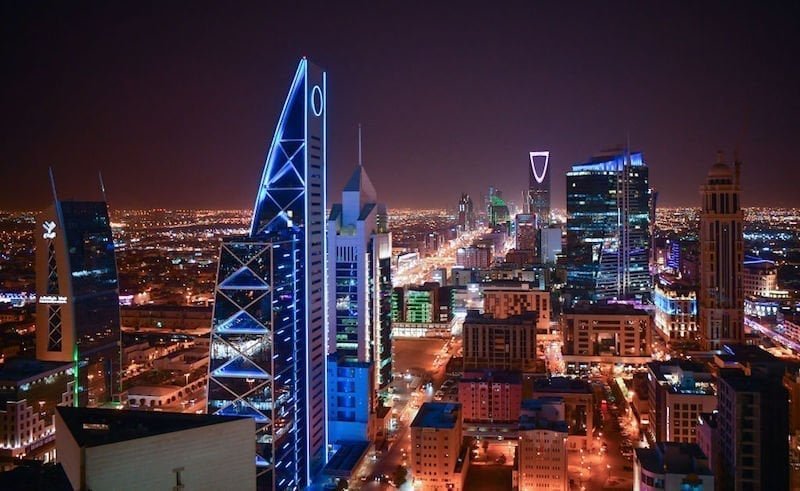

Image: Getty Images/ For illustrative purposes
The Ministry of Tourism has significantly raised fines for operating hospitality facilities without a valid license.
Under the updated regulations that took effect Wednesday, October 22, the penalty for operating without a valid license has been increased to SAR250,000 in major cities and key tourism destinations, up from SAR50,000 previously. The move underscores the ministry’s commitment to ensuring regulatory compliance and protecting the kingdom’s tourism reputation.
Read-Labour law overhaul: Saudi introduces penalties for violators in new sectors
The new fines apply to first-tier cities such as Makkah, Madinah, Riyadh, Jeddah, and Alkhobar, as well as to major giga-project destinations including NEOM, The Red Sea, Diriyah, Amaala, and Qiddiya. Facilities operating illegally in these areas will also face permanent closure until violations are rectified, a Saudi Gazette report said.
In second-tier cities, including Taif, Dammam, Abha, Jazan, Tabuk, Hail, Buraidah, Khamis Mushait, Jubail, Najran, Yanbu, Hafar Al-Batin, Al-Baha, Al-Hofuf, and Sakaka, the fine has been increased to SAR150,000, also up from SAR50,000.
Stricter penalties and new communication rules
Beyond licensing violations, the ministry has also revised several other penalties to strengthen oversight across the tourism industry.
Allowing another party to use a tourism license now incurs fines of SAR60,000 for first-tier facilities and SAR55,000 for second-tier establishments, both up from SAR50,000. Penalties for obstructing tourism inspectors have doubled to SAR10,000 and SAR7,000, respectively.
In a move designed to improve visitor experience, a new rule mandates bilingual communication (Arabic and English) in all tourist-facing interactions conducted via phone or email. Facilities are given a seven-day window to correct violations before being fined: SAR6,000 for five-star and luxury hotels, SAR5,000 for four-star hotels, and SAR2,000 for lower-rated serviced apartments.
Violations carrying penalties below SAR10,000 may now be issued immediately by authorised inspectors, expediting the enforcement process.
Graduated penalties and major offenses
The revised framework introduces a graduated penalty structure, ensuring that enforcement actions are proportional to the nature and severity of each offense.
Major violations include operating without a valid license, continuing operations after suspension or license expiry, actions compromising public safety or the kingdom’s tourism reputation, and obstructing official inspections.
Under the new system, penalties are determined based on facility size, location, and type of violation. Minor infractions will first receive a warning and grace period to correct issues before financial penalties are imposed.
However, repeated offenses within a year could lead to doubled fines, temporary suspensions, or even license cancellation.
Tourism ministry introduces tiered zoning framework
As part of the regulatory overhaul, the ministry has formally divided the Kingdom into three tourism zones:
- Tier 1: Makkah, Madinah, Riyadh, Jeddah, Alkhobar, and giga-project destinations such as NEOM, The Red Sea, Diriyah, Amaala, and Qiddiya.
- Tier 2: Taif, Dammam, Abha, Jazan, Tabuk, Hail, Buraidah, Khamis Mushait, Jubail, Najran, Yanbu, Hafar Al-Batin, Al-Baha, Al-Hofuf, and Sakaka.
- Tier 3: All other cities and governorates.
This zoning approach allows for differentiated enforcement and reflects the varying scales and strategic importance of each destination. The ministry emphasised that the new framework aims to enhance service quality, boost compliance, and safeguard Saudi Arabia’s image as a global tourism hub.
New classification for major violations
In a related update, the Ministry of Tourism also introduced a special classification system to clearly define major violations while offering flexibility to businesses for minor ones.
According to the ministry, the amendments to the Tables of Violations and Penalties and Enforcement Rules are designed to strengthen compliance, ensure fair enforcement, and align with the Tourism Law’s broader objectives.
Under the revised guidelines, penalties are determined through precise criteria that account for the size and location of tourism establishments, a move intended to support SMEs and encourage fair application of rules.
The ministry noted that the new classification system ensures strict handling of violations that could significantly impact the industry, while still allowing a grace period for businesses to rectify non-major offenses before facing financial penalties.
These updates are part of Saudi Arabia’s broader effort to strengthen its tourism infrastructure, ensure safety and service excellence, and align regulatory frameworks with international best practices as the Kingdom accelerates progress toward its Vision 2030 tourism goals.
