


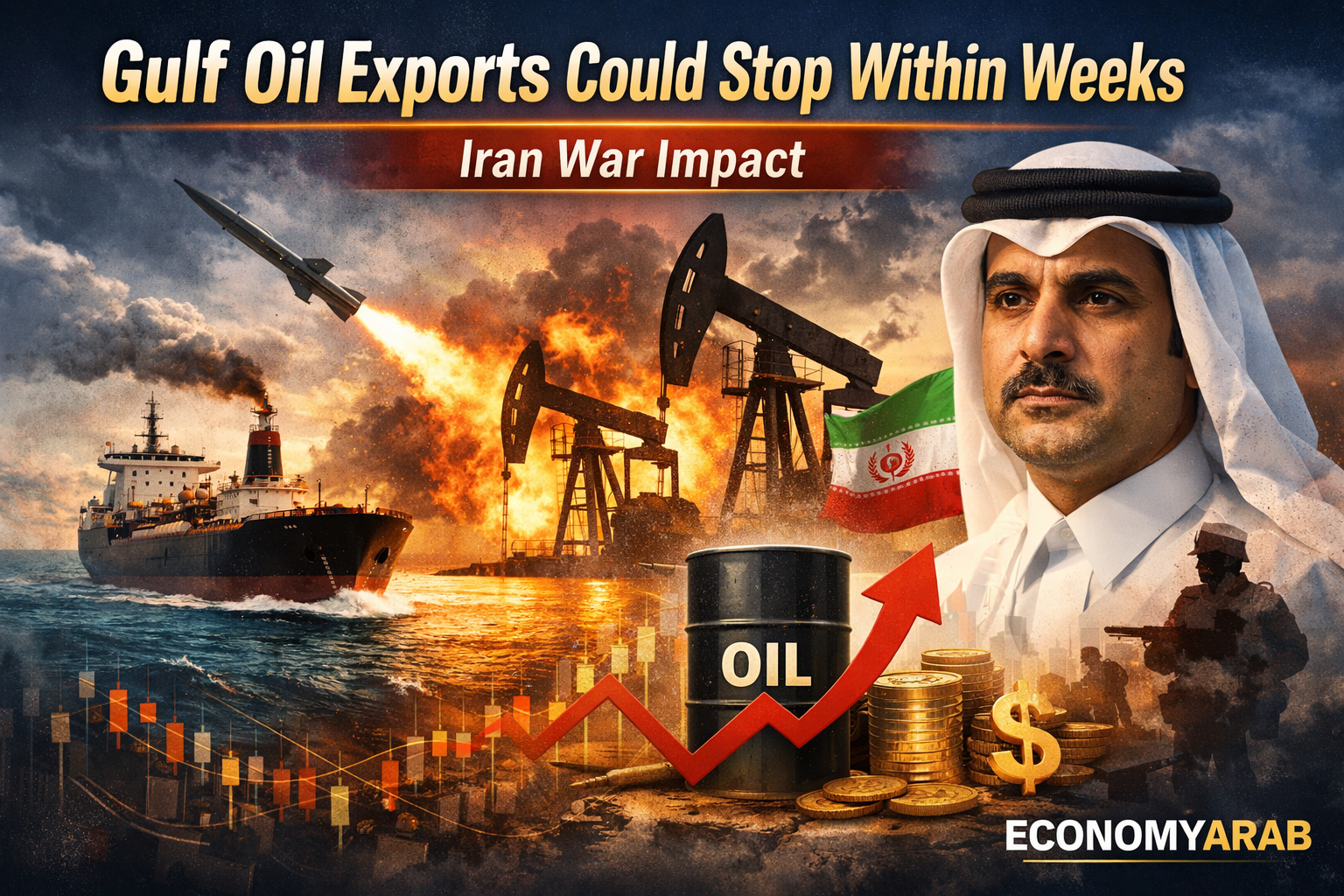
In a startling warning that has captured global attention, Qatar’s Energy Minister has said that Gulf oil exports might stop within just weeks if the war involving Iran and other nations continues. This development could shake global markets, impact everyday fuel prices, and affect economies across the world. In this blog, we will break down what’s happening, why it matters, and what it means for you — all explained in simple language.
The information in this article follows the latest statements made by Qatar’s Energy Minister in interviews with international news platforms, including the Financial Times and global news services.
What Did the Qatar Energy Minister Say?
Saad Al-Kaabi, Qatar’s Energy Minister and head of its state energy company, warned that if the ongoing Middle East conflict continues for several weeks, oil exports from the Gulf could come to a halt. He said this would happen because safety concerns may force producers to stop sending oil and gas out of the region.
This warning isn’t limited to Qatar alone — he said that all Gulf oil exporters might be forced to stop exports if tensions remain high. That includes major energy producers in the region.
Why Are Oil Exports at Risk?
To understand this threat, it helps to know how crude oil and gas reach global markets:
- Most Gulf oil travels through the Strait of Hormuz, a narrow sea route between the Persian Gulf and the Arabian Sea.
- Nearly 20 % of the world’s oil supply normally passes through this strait.
Because of its narrow geography and heavy traffic, the Strait of Hormuz is extremely sensitive to military threats. If ships cannot pass safely due to war or attacks, oil tankers may stop moving, and producers cannot export oil and gas. That could cause supply shortages worldwide.
The minister expressed that even if the conflict ended suddenly, it would take weeks or months for exports to return to normal.
Impact on Oil and Gas Prices
One immediate consequence of export disruptions is higher fuel prices. Experts and ministers are warning of possible price surges:
- Oil prices could reach as high as $150 per barrel if exports halt.
- Natural gas prices may also rise sharply, potentially reaching $40 per million British thermal units (MMBtu) or more.
These price increases would affect not just governments and companies, but ordinary consumers too, including rising petrol and heating costs for families.
Global Economic Consequences
The situation is not just about oil — it could have far-reaching effects on the global economy. Here’s how:
1. Higher Inflation
When fuel prices rise, the cost of transportation and goods increases across the economy. This often leads to higher inflation, meaning everyday items like food, electricity, and goods become more expensive.
2. Slower Economic Growth
Many countries depend on affordable oil and energy. If supply tightens and prices surge, economic growth could slow down. Manufacturers, transport companies, and consumers may spend more on fuel and less on other essentials.
3. Market Uncertainty
Stocks and investment markets often react negatively to fear and uncertainty. A halt in Gulf oil exports could cause market instability and reduced investor confidence.
These consequences could span from developed economies like Europe and the United States to developing nations that rely on Gulf oil supplies.
Why Economyarab Covers This Story
As a platform focused on economic news and analysis in the Arab world and beyond, Economyarab closely follows developments that affect global energy markets and regional stability. The warning from Qatar’s Energy Minister highlights major risks to global fuel supply chains, international trade, and economic growth. Keeping readers informed about these developments is a core mission of Economyarab.
The Gulf region plays a central role in global energy exports. When that system is threatened, it becomes critical for investors, policymakers, and everyday citizens to understand the potential impacts.
What Happens Next?
At the time of writing:
- The war involving Iran and allied forces continues.
- Gulf energy producers are under pressure due to attacks on infrastructure and shipping routes.
- Countries and companies around the world are watching closely for developments.
The best case scenario is that the conflict ends quickly and exports resume soon after. The worst case is widespread disruption of oil and gas exports, leading to lasting economic challenges.
Only time will tell which direction the situation heads.
Conclusion
The warning that Gulf oil exports could stop within weeks is one of the most serious energy alerts of recent years. It reflects how sensitive global markets are to geopolitical conflicts in key regions like the Middle East. A halt in exports would not only raise fuel prices but also affect economies, industries, and everyday life around the world.
By staying informed through reliable sources like Economyarab, readers can better understand these complex forces and how they influence both regional and global economic conditions.
5 FAQs
1. What does “Gulf oil exports” mean?
Gulf oil exports refer to the crude oil and gas produced by countries around the Persian Gulf that are sent to other countries around the world for energy production and industrial use.
2. Why could Gulf oil exports stop?
Exports could stop if the war near Iran disrupts shipping routes like the Strait of Hormuz, making it too unsafe for tankers to carry oil and gas.
3. What happens if oil prices reach $150 per barrel?
If oil reaches this level, fuel and energy costs would rise globally, raising inflation and slowing economic growth.
4. How long would it take to restore exports?
Even if the war ends, experts say normal export operations could take weeks or months to resume fully.
5. Who is affected by a halt in Gulf oil exports?
Everyone — from consumers paying at the pump to governments balancing national budgets — would feel the effects of disrupted energy supplies.
