



Image credit: Getty Images
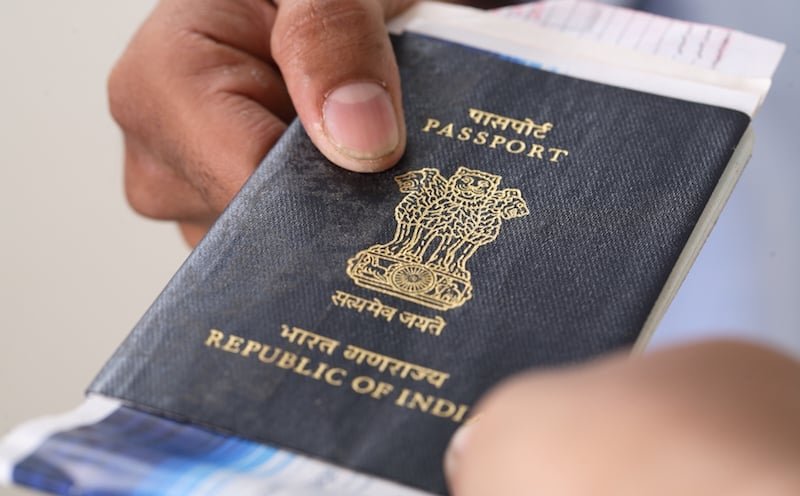
In a significant digital upgrade to its citizen services, the Consulate General of India in Dubai has announced the rollout of the Global Passport Seva Programme (GPSP 2.0) for all passport services starting October 28, 2025. The move marks a major step toward enhanced efficiency, security, and user convenience in the passport issuance process.
All applicants will now be required to use the new online portal for availing passport-related services beginning October 28, 2025, through the link.
Read more-New rule: India mandates stricter passport photo specs for applicants
Applicants can register on the portal by clicking on the “Register” link and then log in using their credentials. After logging in, they can generate a new application, complete the submission online, and print a copy of the submitted form.
Once the form is completed, applicants must book an appointment through the following link and visit their respective BLS International Center with the necessary documents:
This new system promises a smoother process, eliminating much of the paperwork and in-person delays previously experienced at passport service centers.
Key features of GPSP 2.0
Under the upgraded PSP 2.0 system, e-passports will now be issued to applicants. These passports come embedded with a secure electronic chip containing digitised personal and biometric data, facilitating faster and safer clearance at immigration checkpoints.
Applicants can also upload their ICAO-compliant photographs, signatures, and supporting documents directly on the portal. The Consulate has encouraged users to make use of this feature to minimize waiting times at BLS centers.
For guidance on photograph standards, applicants can refer to the ICAO-compliant photo guidelines
Additionally, minor corrections in applications can now be made by the service provider at their end, without any extra charge, removing the need to retype the entire application at BLS centers.
More details about the rollout can be found on the Consulate’s official website
The e-passport advantage
An e-passport, or electronic passport, combines a traditional paper booklet with a Radio Frequency Identification (RFID) chip and antenna embedded within its inlay. This chip securely stores the passport holder’s personal and biometric information. The e-passport can be visually identified by a small gold-colored symbol printed below the front cover.
The primary advantage of the e-passport lies in its enhanced data security and integrity. Each e-passport contains data both in printed form and as a digitally signed electronic record stored on the chip. Immigration officials worldwide can authenticate this data securely, reducing risks of forgery, tampering, and fraudulent use.
The system’s security backbone relies on Public Key Infrastructure (PKI) technology, a robust framework that ensures the authenticity, integrity, and confidentiality of the personal data stored within the passport chip.
No immediate replacement needed
The Consulate clarified that it is not mandatory for holders of existing valid passports to replace them with e-passports. All passports currently issued by the Government of India will remain valid until their expiry.
As passport offices across India are gradually equipped with e-passport issuance technology, citizens applying through these offices will automatically receive the upgraded version. The phased rollout across India is expected to take several months.
For more information and FAQs about e-passports, visit here.
