



Image credit: Getty images
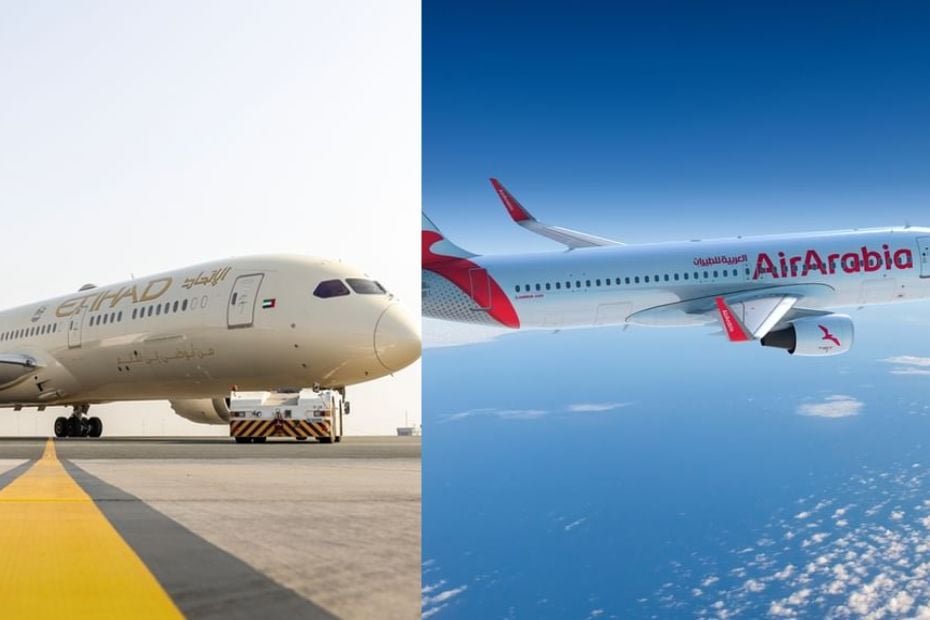
Etihad Airways has achieved another milestone in its record-breaking year of expansion, launching four inaugural routes to Tunis, Hanoi, Chiang Mai, and Hong Kong within just three days.
The new services cement Abu Dhabi’s position as a key global aviation hub, contributing nearly 45 per cent of the UAE’s total aviation growth in 2025.
The airline’s expanding network not only boosts inbound tourism and trade but also adds thousands of new seats to and from Abu Dhabi, creating easier access for travellers from Africa and Asia to experience the emirate’s cultural landmarks, pristine beaches, luxury resorts, and thriving events calendar.
Read more-Air Arabia Abu Dhabi lands in Damascus with new direct route
The additions also give UAE residents and visitors a wider range of travel options across leisure and business destinations in North Africa and Asia, a WAM report said.
New routes from Abu Dhabi:
- Tunis (November 1, three weekly flights) – Strengthens Etihad’s North African network and caters to growing demand for travel between the UAE and Tunisia.
- Hanoi (November 2, six weekly flights) – Establishes Abu Dhabi’s first direct link to Vietnam’s capital, reinforcing trade and tourism ties between the two nations.
- Chiang Mai ( November 3, four weekly flights) – Opens Northern Thailand to travellers from the Middle East and Europe via Abu Dhabi.
- Hong Kong (November 3, five weekly flights) – Reconnects Abu Dhabi with one of Asia’s leading financial and leisure hubs, coinciding with the relaunch of Etihad’s codeshare with Hong Kong Airlines for enhanced regional connectivity.
Antonoaldo Neves, CEO of Etihad Airways, said, “Each of these destinations adds its own character to our network, from Tunis’s heritage to Hanoi’s vibrancy, Chiang Mai’s charm and Hong Kong’s global energy. Together, they expand options for our guests while bringing more visitors to discover Abu Dhabi, one of the world’s most exciting cities. As we continue to deliver almost half of the UAE’s aviation growth this year, our focus remains on connecting more people, cultures, and opportunities through our home in Abu Dhabi.”
With the addition of these routes, Etihad’s network now spans more than 85 destinations, underscoring its pivotal role in connecting Abu Dhabi to the world and fueling the UAE’s tourism and economic momentum.
Air Arabia strengthens Ras Al Khaimah’s aviation footprint
In another development underscoring the UAE’s aviation surge, Air Arabia has inaugurated its first direct service between Ras Al Khaimah and Kazan, Russia, marking a significant step in the airline’s expansion from its northern emirate hub.
A launch ceremony at Ras Al Khaimah International Airport celebrated the occasion, attended by representatives from both the airline and airport authorities.
Adel Al Ali, group chief executive officer of Air Arabia, said, “The launch of our new service between Ras Al Khaimah and Kazan further strengthens Air Arabia’s presence in the Russian market. This new route underscores our commitment to offering customers affordable and reliable air travel while supporting Ras Al Khaimah’s continued growth as a key hub for tourism and trade.”
Operating weekly, the new service provides direct connectivity between Ras Al Khaimah and Kazan, offering travellers a convenient, low-cost link between the UAE and Russia. The route also adds to Air Arabia’s growing Russian network, which already includes Moscow and Yekaterinburg, enhancing the emirate’s international reach and accessibility.
With this latest addition, Air Arabia continues to position Ras Al Khaimah as a competitive aviation hub that complements the UAE’s wider air transport ecosystem, one led by rapid expansions from major carriers such as Etihad Airways and Emirates.
The twin expansions by Etihad and Air Arabia reflect the UAE’s broader strategy to cement its position as a global aviation powerhouse, connecting key markets across Asia, Africa, and Europe. With record route launches, growing passenger numbers, and rising global demand, the country’s airlines are poised to play a defining role in shaping the next phase of international air travel.
