


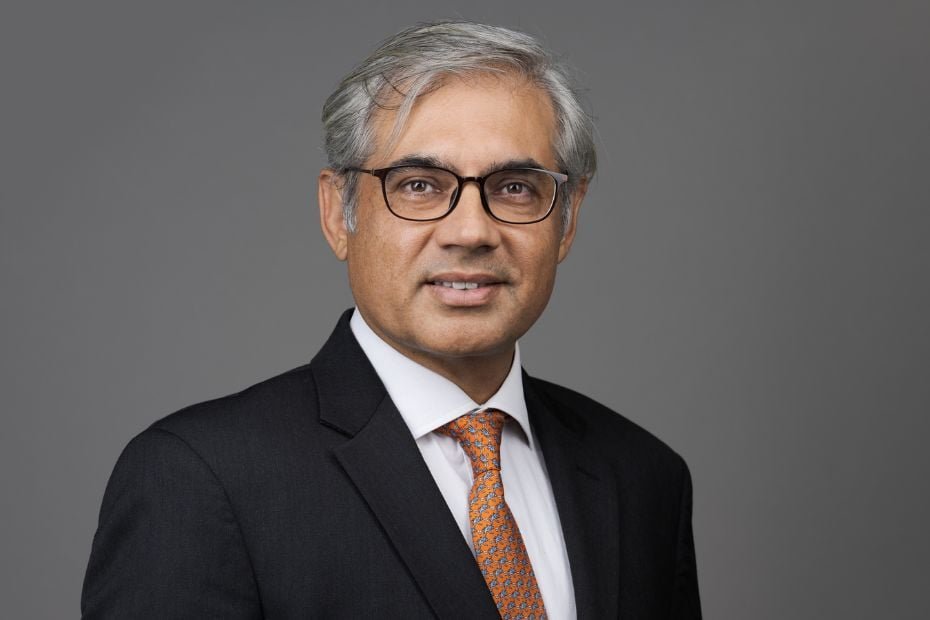

Image credit: Supplied
As global wealth shifts generations, Habib Bank AG Zurich’s leadership explains how trust, technology, and cultural insight are reshaping client expectations.
Q1-With over three decades in global banking, what fundamental shifts have you observed in how ultra-high-net-worth (UNHW) individuals define ‘value’ in a private banking relationship, and what hasn’t changed?
The basic definition of value amongst the UHNW segment remains unchanged, seeking banking relationships offering trust and quality service. However, as families become global they need wealth advisors that understand challenges of estate and tax planning, succession and wealth preservation. Industry is also seeing transfer of wealth to the next generation, for whom efficiency in advice and execution is a key value. Hence the need for digitisation and automation in workflows.
Q2-Digital transformation is often spoken of in retail and corporate banking, but how is digitalisation redefining the private banking experience for UHNW clients, and what innovations are on your radar in the Swiss context?
Digital transformation is inevitable for wealth industry if we have to keep up with the new generation of wealthy. With the breakneck pace of AI and internet of things, clients want paperless, efficient and seamless solutions to banking services. This could range from account opening, portfolio analysis, investment advice, funds transfers etc. Hence it’s imperative that the wealth industry invest capital and resources towards digitalisation in order to keep up with client expectations. We, at HBZ, have made a conscious effort to automate and modernise our systems and make necessary upgrades to improve client experience.
Read more-Invest big, borrow smart: How HBZ’s Lombard loans power wealth without liquidation
Q3-You’ve worked across global financial powerhouses, JP Morgan, Deutsche Bank, Citi. How has that international exposure shaped your leadership style today at Habib Bank AG Zurich, especially as you lead its expansion in Switzerland?
I have been blessed to have worked not just across these well reputed global firms but also in different countries and jurisdictions. These firms taught me the importance of ownership and accountability. I also learnt the value in client engagement, knowing how they think and what matters to them. This applies across their investment needs, business strategy, family constitution and conflict resolution. This has been my guiding principle and something I try to instill amongst my team members.
The jurisdictional exposure allowed me to work with various regulators and learn from their rule books. The common recurring theme is about knowing your clients and always doing what’s appropriate and suitable for them. This has been a central theme for us at HBZ.
Q4-One of the biggest intergenerational wealth transfers in history is underway. How is your team advising next-gen clients who often have very different values, expectations, and risk appetites than the previous generation?
We are fully cognisant of the importance of this massive wave of wealth transfer. In most cases, the patriarch/matriarch has been the creator of this wealth, and the next generation has been born into affluence. For us, convincing the seniors to get children involved early on in key discussions such as trust and estate planning is important. Also, through client events like our flagship G3 (next generation) summit, we attempt to educate and introduce key topics such as succession, family constitution and conflict resolution.
Q5-Given your deep relationships across culturally and economically diverse regions, what do you think global private banks often misunderstand about serving clients from emerging markets?
International private banks often misunderstand the entrepreneurial nature and risk tolerance of emerging market clients. Relationship continuity and the need to understand cultural nuances is paramount to this segment. Habib Bank AG Zurich has the unique advantage of its deep-rooted, multidecade presence in South Asia, Africa, and the Middle East. We have managed to understand and capture product needs such as offering Shariah-compliant solutions, wealth advisory services and borrowing requirements. Our commercial banking presence helps bridge their personal and business needs through our local branches, representative offices and subsidiaries.
Q6-Swiss banking is evolving under new regulatory, reputational, and market dynamics. As country head, how are you positioning your institution to uphold the legacy of Swiss banking while meeting the transparency and innovation demands of tomorrow?
It is crucial that we stay close to the regulator, to be on top of any changes in regulatory framework, prepare well for audits and very importantly invest in quality personnel in crucial areas such as compliance and internal audit.
An open communication with regulators enables us to understand the standards they hold banks to, thus allowing us to align our internal policies and practices to these expectations.
