



Image: Supplied
Across the Middle East, wealth and enterprise have long been deeply intertwined. Many wealthy families preserve generational wealth through privately owned, tightly held businesses. Historically, they have relied on trusted insiders – such as CFOs or in-house legal counsels – to manage both business and personal wealth.
This informal approach reflects regional norms where trust is cultivated through close-knit relationships. These informal structures are known as virtual family offices (VFOs) and allow families to selectively outsource services such as investment, legal and succession planning advice on an as-needed basis. VFOs operate without dedicated licences, office spaces or large in-house teams.
They leverage a network of trusted advisors, external specialists, and digital platforms to manage wealth.
While this approach has benefits like minimising fixed costs and streamlining administration, families increasingly recognise the need to institutionalise and professionalise their structures. This shift is driven in part by the adoption of diverse investment strategies that demand more robust governance.
In the region, families are moving beyond traditional sectors such as real estate and local businesses to explore global markets, private equity, venture capital, and sustainable investments, often also incorporating philanthropy into their plans.
Evolving complexities and risks – including navigating cross-border regulations, managing volatile markets, addressing governance challenges, and ensuring effective succession planning amid shifting family dynamics – also highlight the importance of enhanced institutionalisation and professionalism.
The shift toward single-family offices
This is why many are now exploring the establishment of dedicated single-family offices (SFOs) – structured entities that clearly separate personal wealth from businesses – establishing defined investment mandates and support generational transitions.
SFOs consolidate reporting and risk oversight, implement governance frameworks, attract professional talent, and formalise wealth transition plans.
These structures also prompt families to take a more holistic view of the ownership of their assets, considering not only the jurisdictions where their assets, structures and investments are held, but also the underlying legal frameworks.
Many families in the region are establishing trusts and foundations as part of their SFO structures, prompting them to think of succession planning from both an ownership and management perspective.
With a growing number of families across the Middle East embracing the future of wealth stewardship, our role as a private bank is to guide families through the journey towards building an enduring SFO with clarity, conviction, and purpose.
This journey starts with conversations on:
- Assessing readiness by evaluating the complexity of their wealth and identifying key drivers for institutionalisation.
- Defining objectives such as succession planning, governance frameworks, and investment mandates.
- Designing scalable structures that balance tradition with modern best practices.
- Connecting with experts including legal, tax, and operational specialists to build a tailored ecosystem.
- Providing ongoing support through our dedicated family office advisory team, offering insights on global trends, risk management, and talent acquisition.
As Middle Eastern families continue to evolve, the rise of SFOs reflects a broader shift toward institutional-grade wealth management – without losing sight of the cultural values that underpin trust and legacy.
Whether starting small or scaling up, the key lies in designing a wealth management structure that balances tradition with modern governance, ensuring resilience across generations.
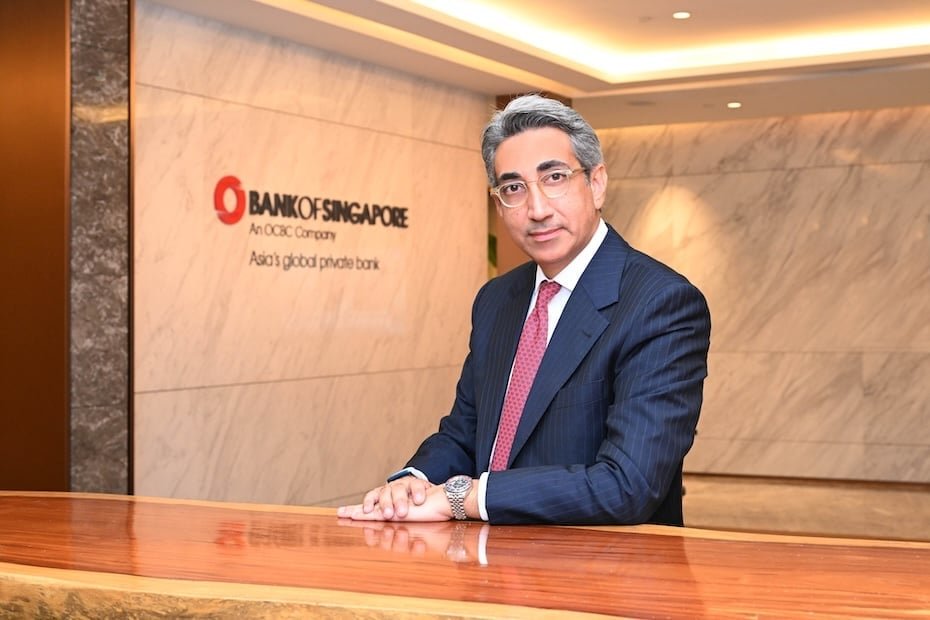
Ranjit Khanna is the head of Private Banking Europe, Middle East and Global South Asia and chief executive, DIFC Branch, Bank of Singapore.
Bank of Singapore Limited’s branch in the Dubai International Financial Centre (DIFC) is regulated by the DFSA.
