


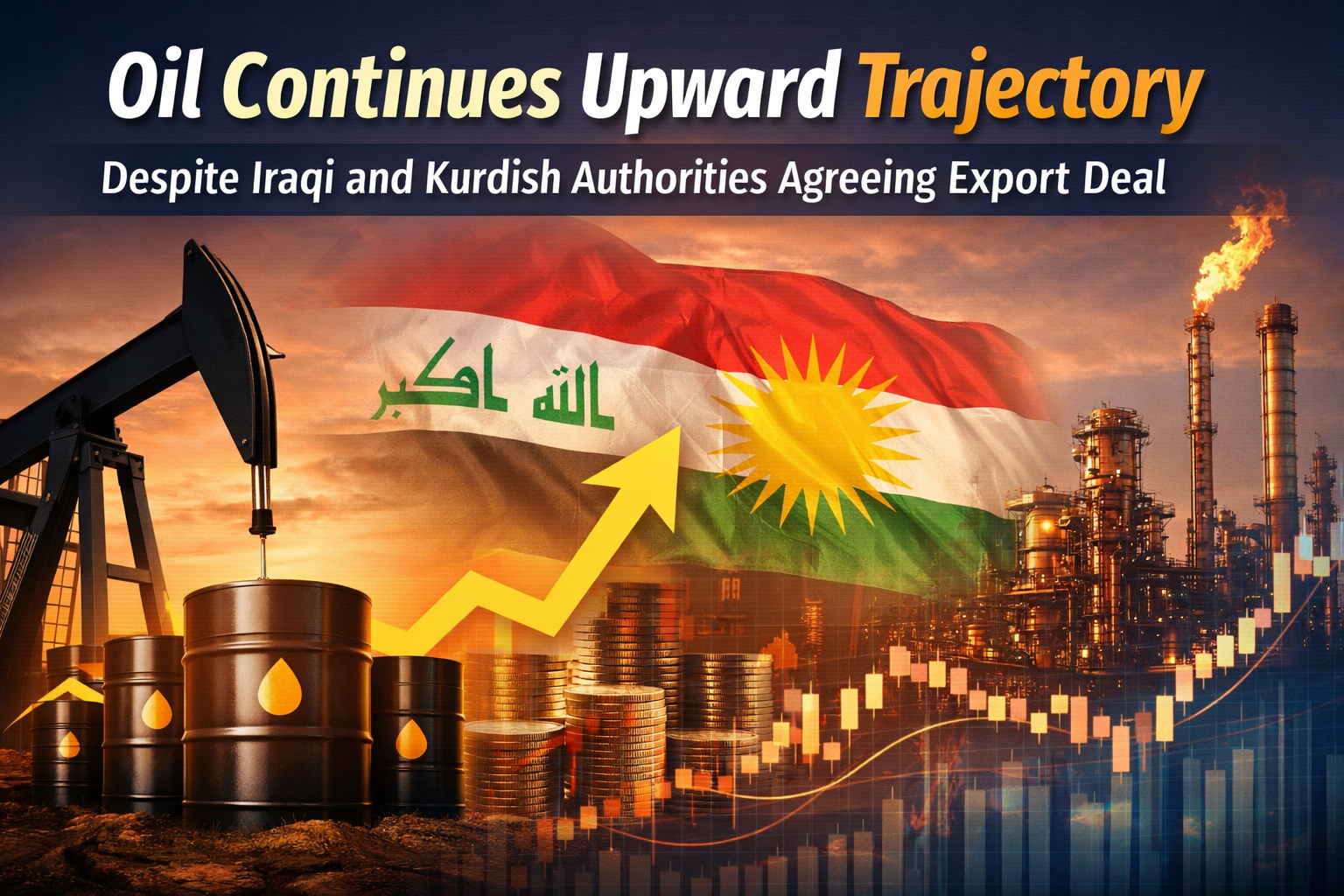
Oil prices are once again moving upward in the global market. This rise is happening even after an important agreement between Iraqi and Kurdish authorities about oil exports. Many experts expected prices to stabilize after this deal, but the opposite has happened. In this blog, we will understand why oil prices are rising, what this agreement means, and how it can impact the global economy.
Understanding the Iraq-Kurdistan Oil Export Deal
Iraq and the Kurdistan Regional Government (KRG) have had disagreements for many years regarding oil exports. Recently, both sides agreed on a deal to restart oil exports through pipelines.
Key points of the agreement:
- Oil exports from Kurdistan will resume
- Revenue sharing between Iraq and Kurdistan
- Federal government will have more control over exports
This deal was expected to increase oil supply in the market, which usually lowers prices. However, prices have continued to rise instead.
Why Oil Prices Are Still Rising
Even after the agreement, several global factors are pushing oil prices higher.
1. Limited Global Supply
Many oil-producing countries are still keeping production low. Organizations like OPEC+ are controlling output to maintain higher prices. This reduced supply keeps the market tight.
2. Strong Global Demand
Demand for oil remains strong, especially in countries like:
- China
- India
- United States
As economies grow, they need more energy, which increases demand for oil.
3. Geopolitical Tensions
Conflicts and tensions in different regions also affect oil prices. The Middle East is a key oil-producing area, and any uncertainty there increases prices due to supply risks.
4. Delays in Export Implementation
Even though Iraq and Kurdistan agreed on exports, actual implementation may take time. Infrastructure, political approvals, and logistics can delay the process.
Impact on Global Economy
Rising oil prices have a direct impact on the global economy.
1. Increased Fuel Costs
When oil prices rise, petrol and diesel prices also increase. This affects:
- Transportation costs
- Daily expenses
- Inflation
2. Higher Inflation
Oil is used in many industries. Rising prices increase the cost of:
- Manufacturing
- Shipping
- Goods and services
This leads to higher inflation worldwide.
3. Pressure on Developing Countries
Countries that import oil, like India, face higher expenses. This can:
- Increase trade deficits
- Weaken currency value
- Slow economic growth
What This Means for Investors
Oil price movement is important for investors.
Opportunities:
- Energy stocks may perform well
- Oil companies can see higher profits
Risks:
- Market volatility
- Inflation affecting other sectors
Investors should carefully watch global oil trends before making decisions.
Future Outlook of Oil Prices
Experts believe oil prices may remain high in the short term. However, future trends depend on:
- Stability in the Middle East
- OPEC production decisions
- Global economic growth
- Renewable energy adoption
If supply increases significantly, prices may stabilize. Otherwise, upward pressure may continue.
Conclusion
The agreement between Iraqi and Kurdish authorities is a positive step for regional stability. However, global oil prices are influenced by many factors beyond just one deal. Limited supply, strong demand, and geopolitical tensions are keeping prices high.
For consumers, this means higher fuel costs. For investors, it brings both opportunities and risks. Keeping an eye on global developments is important to understand future oil trends.
FAQs
1. Why are oil prices rising despite the Iraq-Kurdistan deal?
Oil prices are rising due to limited supply, strong global demand, and geopolitical tensions, even though the deal aims to increase exports.
2. What is the Iraq-Kurdistan oil export agreement?
It is an agreement between Iraq and the Kurdistan region to resume oil exports and share revenue under federal supervision.
3. How do rising oil prices affect daily life?
Higher oil prices increase fuel costs, transportation expenses, and the price of goods, leading to inflation.
4. Will oil prices go down soon?
Prices may stabilize if supply increases, but current global conditions suggest they may stay high in the short term.
5. Is rising oil price good for investors?
It can benefit energy sector stocks, but it also brings risks due to market volatility and inflation.
