


The new U.S. tariffs imposed by Donald Trump could create “ripple effects” throughout global supply chains that could eventually reach the UAE market, according to PP Varghese, Head of Professional Services at Cushman & Wakefield Core.
“While the UAE doesn’t heavily import directly from the US, many products pass through complex international supply chains where tariff-related price increases get passed down,” he told Arabian Business.
Secondary malls to feel the pinch first
He added that Chinese goods facing higher U.S. tariffs might divert to other markets, including the UAE, which could increase supply and pressure pricing.
“We could see price increases of 5 to 10 per cent across various consumer goods categories within 6-12 months of full tariff implementation,” he said, adding that these rising costs could further influence consumer behaviour.
“The UAE consumer market is quite segmented, and we’ll likely see different responses across demographic groups,” Varghese said, adding that expat consumers with fixed incomes, could become more price-conscious and selective in their purchasing decisions.
The Cushman & Wakefield Core executive anticipates more deliberate shopping, greater use of discount platforms, and reduced impulse purchases. However, high-income residents and tourists may continue spending at current levels.
“Overall, I expect a shift toward more value-conscious consumption rather than a dramatic reduction in shopping activity.”
This evolving behaviour could also influence retail real estate, with retailers reconsidering expansion plans or renegotiation of lease terms, if they “face margin pressures from tariff-related cost increases,” he said.
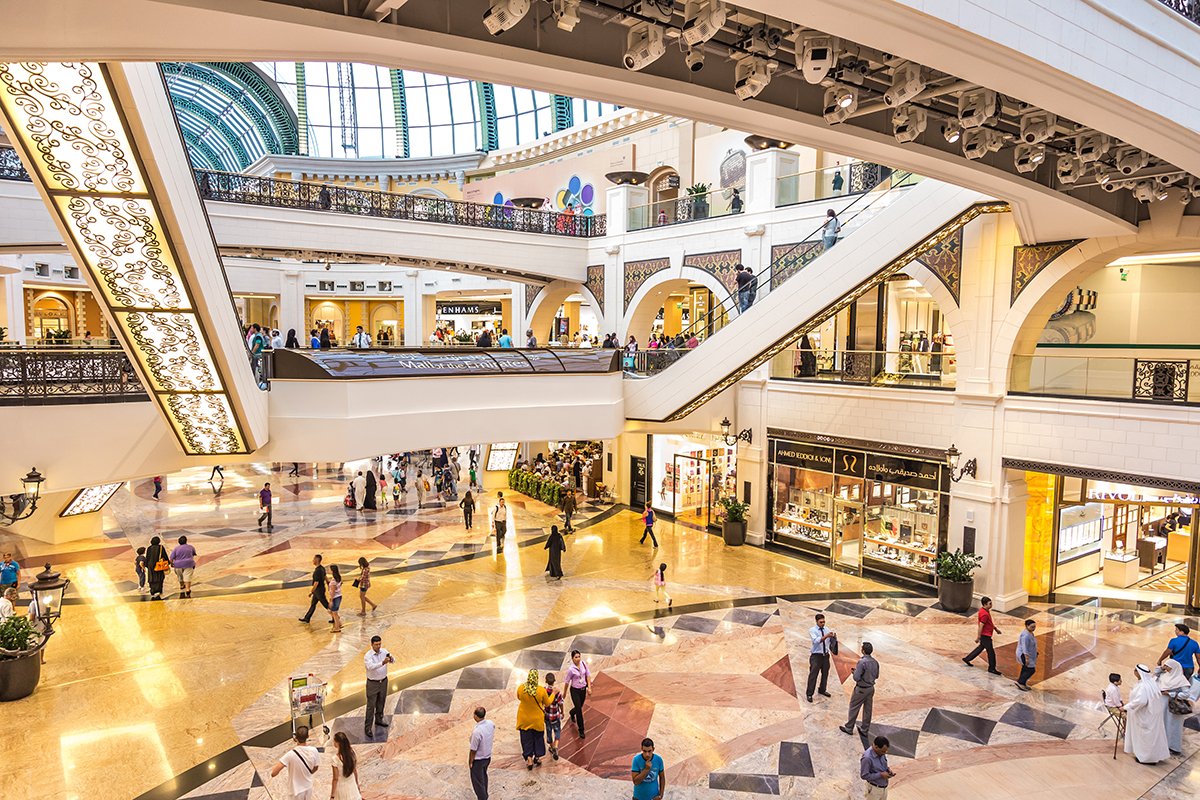
Secondary malls and non-prime retail locations could feel “selective pressure” first, while flagship destinations like Dubai Mall and Mall of the Emirates are likely to remain resilient, Varghese said.
However, at the same time, retailers are also responding to changing shopper expectations by embracing flexible payment solutions such as Buy Now, Pay Later (BNPL), which has emerged as a key tool to sustain consumer spending amid economic uncertainty.
Buy Now, Pay Later a preferred payment method
The rise of BNPL is another factor shaping the sector. According to Stuart Porter, a wealth coach based in Dubai, BNPL has become a preferred payment method for both shoppers and retailers.
“BNPL has grown quickly in the UAE because it helps shoppers stretch their budgets without relying on credit cards,” he said. “For retailers, it’s a simple way to boost sales during uncertain times.”

Electronics, fashion, and online marketplaces are the sectors leading BNPL adoption. “These sectors see higher conversion rates when BNPL is available at checkout,” Porter added.
In addition, BNPL’s popularity has also helped physical retail maintain its relevance. “Retailers with effective BNPL integration typically report larger average basket sizes, which helps justify their physical store footprints despite higher operational costs,” Varghese noted.
Tamara, a BNPL provider operating in the region, confirmed this in its 2025 business trends report.
According to the company, “9 out of 10 shoppers say BNPL has improved their purchasing behaviour,” especially amid economic pressure.
More than 50 per cent of UAE and Saudi consumers have reduced spending, yet BNPL is enabling continued shopping activity.
The report also identified “phygital” experiences — hybrid online and offline shopping — as a key trend. The Tamara survey found that 50 per cent of consumers visit stores to try items before purchasing online, underlining the importance of seamless integration across channels.
“Shoppers in 2025 expect the best of both worlds,” the report stated, with retailers encouraged to provide services like real-time stock visibility, click-and-collect, smart fitting rooms, and virtual storefronts to meet these expectations.
Another major trend is mass personalisation. Businesses are turning to predictive analytics to deliver customised offerings. “Predictive analytics may reveal that certain products, like black abayas, are most popular on weekends, allowing you to optimise your offers and timing,” the report noted.
Aside from this, sustainability and brand values also influence consumer behaviour. “53 per cent of GCC consumers are willing to pay more for sustainable products, compared to 46 per cent globally,” the report stated, citing a rise in global searches for eco-friendly products.
Due to this, retailers are reacting to these trends, with many of them “diversifying their supply chains to reduce dependence on any single sourcing region,” Varghese said. “Some UAE retailers are exploring increased sourcing from regional manufacturers less affected by U.S.-China trade tensions.”
“Others are adjusting inventory management to maintain price stability despite cost fluctuations – bringing in merchandise earlier or negotiating longer-term supplier contracts,” he added.

Risk of overreliance on BNPL
With inflation pressures nudging shoppers to spread costs, retailers and customers alike are beginning to view BNPL as a “lifeline,” said Porter. For retailers, this keeps spending up without needing to offer discounts.
Trump-era tariffs mostly affected U.S.-China trade, but ripple effects raised import costs globally. “This made BNPL more appealing as it helped soften price hikes for consumers.”
Retailers are using BNPL specifically to counter economic pressures. “BNPL allows retailers to maintain customer demand even as purchasing power tightens. It’s a tool to keep tills ringing in tougher times,” he added.
According to Varghese, there could be long-term market distortion “if BNPL creates artificial demand that isn’t sustainable.”
“If consumers increasingly finance everyday purchases through BNPL during a period of rising prices, we could see household debt levels creep upward,” adding that the UAE’s consumer credit reporting infrastructure “is still developing, which could allow some consumers to overextend themselves across multiple BNPL platforms.”
Despite this, Porter believes BNPL will continue growing — at least in the near term. “Economic stress tends to fuel demand for flexible payment options, and BNPL meets that need,” he said.
He expects more regulation, increased competition, loyalty rewards, and transparency over the next year.
Varghese said prudent developers and landlords should remain cautious. “Retail concepts that have become highly dependent on BNPL-driven sales could face challenges if regulations tighten or consumer sentiment shifts,” he noted.
Luxury retailers, however, may remain insulated from some of these pressures. “Luxury brands operate with fundamentally different dynamics than mass-market retail. Their customers are generally less price-sensitive, and these brands typically maintain higher margins that can absorb some cost increases without dramatically affecting retail prices,” Varghese said.
“The UAE’s position as a luxury shopping destination is supported by tourism from regions where these same goods may cost significantly more due to taxes or import duties.”

If prices continue to rise, some global brands might adjust their UAE strategy by introducing different product lines or adjusting their positioning “to maintain market share despite changing economic conditions,” he added.
In the longer term, the UAE’s broader economic strategy could buffer against these headwinds. “The real estate sector continues to mature and evolve in response to global economic shifts, not just reacting to them but increasingly setting regional trends,” Varghese said.
“Developers and retailers who recognise the changing relationship between physical and digital retail, and who can create value beyond just facilitating transactions, will continue to thrive regardless of tariff pressures.
“The UAE’s advantageous geographic position and business-friendly regulatory environment provide significant buffers against global economic headwinds. Rather than viewing potential challenges as threats, forward-thinking market participants will find opportunities in this evolving landscape to create new value propositions for increasingly sophisticated consumers,” he added.
Nevertheless, in the face of these challenges, flexible payment options such as BNPL are becoming essential for sustaining retail activity in the UAE.
In the UAE, BNPL adoption leads the Gulf region thanks to high smartphone penetration, strong e-commerce growth, and a young, tech-savvy population – making it an ideal environment for BNPL compared to neighbours like Saudi Arabia or Qatar.
