



Image: Supplied
Dubai is a magnet for founders. Ask any entrepreneur why they chose this city, and you’ll hear the same words: opportunity, access, ambition. With its transparent regulations, world-class infrastructure, and gateway to regional markets, Dubai is built for business.
But here’s the twist: while the runway is long, many international ventures still stall before take-off. The reason? It’s not the market; it’s the model.
Vision versus structure
Founders who land in Dubai are often visionaries. They’re brilliant at spotting opportunity, building relationships, and moving fast. That energy drives market entry, but it doesn’t always sustain growth.
We’ve seen it time and again. A promising startup enters the market with momentum, only to run out of cash within 18 months due to poor forecasting. Foreign founders build strong local partnerships but get tripped up by VAT, licensing, or compliance issues.
Professional services firms launch at speed but struggle to scale because the systems they need aren’t in place. These aren’t failures of ambition — they’re failures of structure.
Dubai doesn’t reject these businesses. They arrive with vision — but without the operational backbone to support it.
In international markets, a scale-up might hire a CFO or COO early to embed financial discipline. In Dubai, however, many founders delay these hires due to the associated costs. Others try to copy-paste HQ processes — only to find they don’t translate locally.
This mismatch explains why so many international startups quietly exit the market after two or three years. They didn’t lack opportunity; they lacked the right operating model for this environment.
Enter fractional leadership
Until recently, part-time or fractional leadership wasn’t even an option in the UAE. Visa rules required full-time employment. But that changed with freelance licensing, long-term residency programmes, and the Golden Visa.
Now, founders can access senior finance, operations, or strategy professionals on a fractional basis — bringing in the expertise they need without the full-time overhead. This isn’t just cost-cutting. It’s a structural shift. It enables founders to operate as if they have a full C-suite from day one, scaling to match their growth curve.
Fractional leadership brings calm, clarity, and credibility — exactly when founders need it most.
The numbers don’t lie
According to the World Union of Arab Bankers, 94 per cent of Dubai companies are SMEs, employing 86 per cent of the private workforce. In 2024, new business licenses rose by 25 per cent, driven by tech and professional services. But survival rates lag behind ambition. A significant percentage of international entrants fold within 36 months.
The gap isn’t market access. It’s execution. And execution requires systems, not just vision.
If you’re entering Dubai — or already scaling here and scaling — don’t mistake a friendly market for guaranteed success. The UAE is uniquely welcoming to entrepreneurs, but that welcome doesn’t replace the need for strong foundations.
Fractional leadership gives founders the ability to import expertise without importing fixed costs. It’s a model that reflects Dubai itself: flexible, fast-moving, and built for growth.
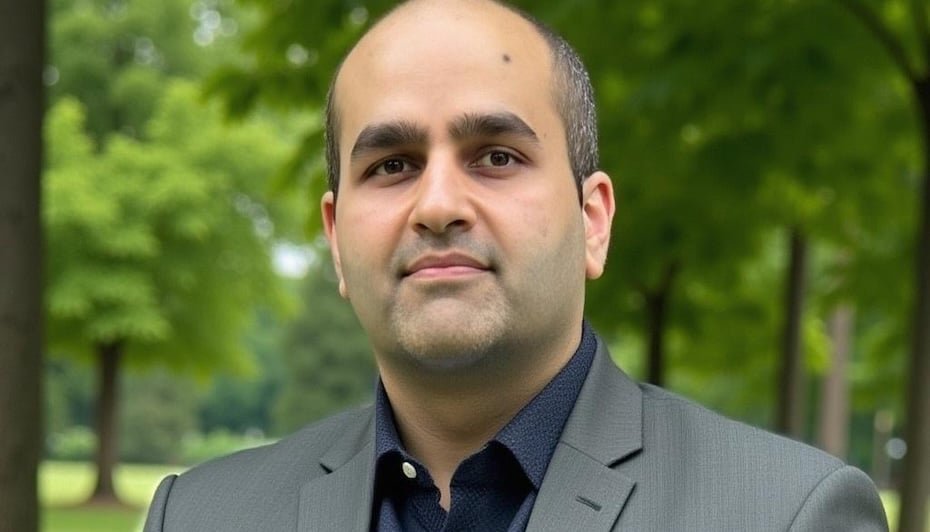
Zaid Aboobaker is the founder and CEO of CompassPoint Consulting.
