


There is growing recognition that the built environment plays a central role in shaping our health.
The UAE has started to reflect this understanding in long-term planning. Dubai’s 2040 Urban Master Plan places strong emphasis on fostering vibrant, healthy communities.
Initiatives such as the vast wellness resort planned for Zabeel Park or Abu Dhabi’s plan for a wellness-dedicated island, reflect a broader shift in priorities: from cities designed for efficiency to cities designed for wellbeing.
The real estate sector must now catch up. Globally, wellness real estate is valued at US$438 billion. Several movements have converged to drive this trend.
The sustainability movement, for instance, emphasises green living spaces, renewable materials, and energy-efficient designs. The new urbanism movement promotes walkable neighbourhoods and mixed-use spaces that encourage community building.
These elements, combined with a rising focus on mental and emotional well-being, are reshaping how real estate developers approach their projects.
Developers are also blending principles from intentional communities and food movements—prioritising locally sourced materials, community gardens, and even edible landscapes. These innovations ensure that wellness homes aren’t just functional but also enrich the lives of their residents.
In the UAE, the sector is growing rapidly, with early research indicating buyers may be willing to pay a premium for environments that promote healthier living. This growth reflects a deeper shift in how we define quality of life—one that prioritises health as a fundamental design outcome. The bigger question is what kind of design principles can support public health outcomes.
The World Health Organization has long estimated that up to 90 per cent of our health is determined by environmental factors. That includes not just the air we breathe, but also the design of the spaces we move through: light, ventilation, access to nature, sound, rest, and stress reduction. These are no longer optional features in a home or a city—they are part of a basic urban infrastructure for long-term health.
Designing for health requires more than adding a green space or a wellness center. It involves systemic thinking about architecture, community layout, and access to services. Circadian lighting, acoustic design, movement programs, and even materials selection can all contribute to healthier outcomes. Every part of new developments should meet practical needs like mobility, rest, cognitive strength and immunity. Developers should also take advantage of certifications such as WELL, which offers performance-based measures to assess a building’s impact on health and well-being.
But uptake has been uneven. Despite the growing evidence base, health is still often treated as a byproduct of design—rather than a central objective. That, however, is beginning to shift.
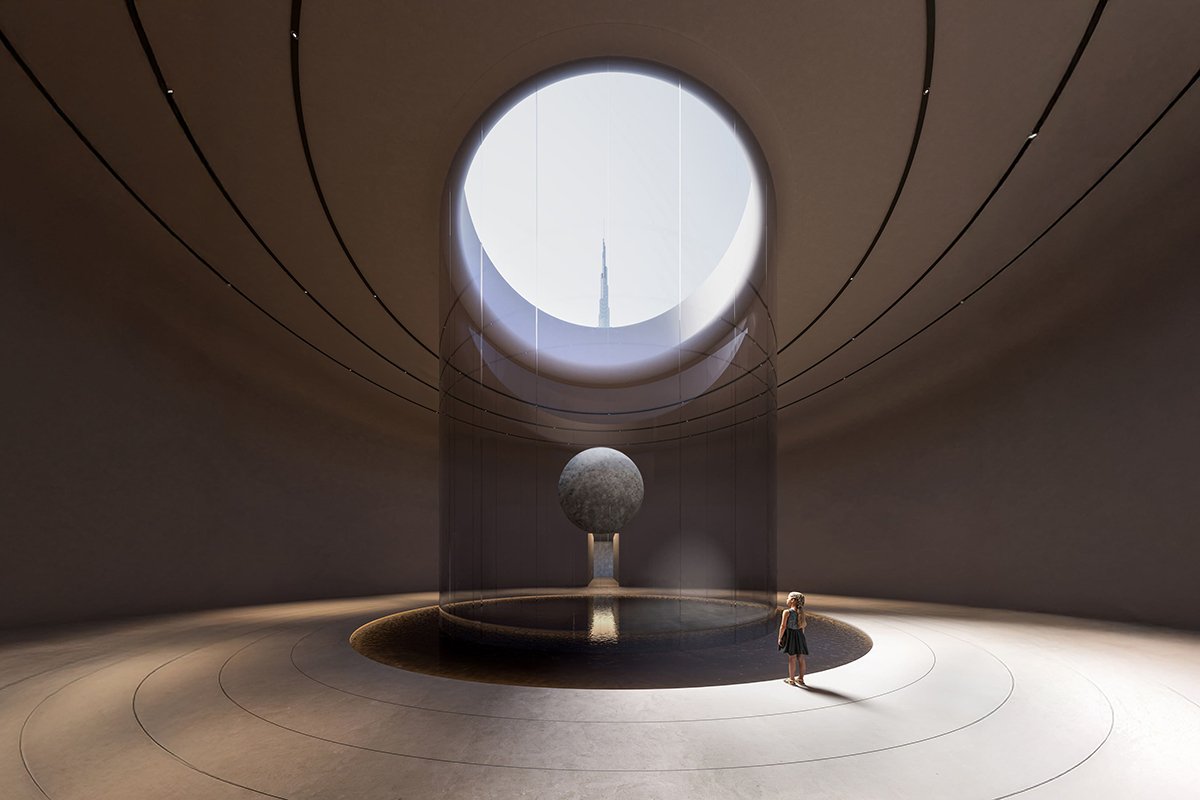
One example is Akala, our recently launched development between DIFC and Downtown Dubai. This project takes a more integrated approach, combining residential and hospitality spaces with diagnostic, clinical, and therapeutic facilities. It uses environmental design, personalised wellness programs, and technology to support health and performance. While still in its early stages, projects like Akala offer a glimpse into how urban living might evolve when wellbeing is treated not as a feature, but as a foundation.
All these recent projects are very much in line with the UAE’s own strategic thinking on wellness. The country’s national strategy for wellbeing 2031 aims to promote an integrated approach to enhance people’s wellbeing by promoting healthy and active lifestyles, promoting good mental health and adopting positive thinking. The opportunity now is for developers and city-makers to match that ambition with projects that are both scalable and evidence-based. Concepts that are born and bred here, show that the UAE has the ability incubate local wellness-focused brands that can go global.
Urban wellness should not be framed as a luxury add-on. It is a necessary recalibration of how we understand quality of life in cities. As spending on wellness trends toward $9 trillion globally, the demand is clear. The responsibility now lies in how the built environment responds—not through branding and messaging, but through outcomes.
